Gluten-free weeknight defaults
Everyday gluten-free cooking needs defaults that do not require reading seventeen labels at 6pm. Weeknight Pantry keeps five on rotation: rice bowls, baked potatoes with toppings, tacos on corn tortillas, grilled or pan-seared protein with vegetables, and naturally GF soups like lentil or chicken vegetable. These formats start gluten-free; they are not GF imitations of wheat dishes struggling to fool anyone.
Defaults reduce decision fatigue—the main enemy of special-diet cooking. When one household member needs GF, cooking formats that are naturally GF for everyone beats cooking two dinners. Corn tortillas on taco night for all; separate pasta only when mood demands Italian and GF pasta is stocked.
Stock one GF pasta brand you tolerate after trying two—texture varies widely. Cook it slightly firmer than package says; GF pasta mush is a common weeknight tragedy.
Keep a printed three-line list inside cupboard door: safe starches, sauces to double-check, shared equipment rules. New caregivers, grandparents, and teen cooks reference the list instead of texting you at 5:47pm.
Rice and potato as reliable bases
Rice and potatoes anchor most GF weeks cheaply:
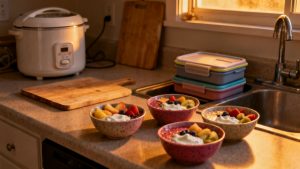
- Rice: batch cook 2 cups dry; freeze flat portions; fried rice, bowls, stir-fry beds.
- Potatoes: baked whole 400°F 45–60 min depending size; smash and top with chili, broccoli cheese, or tuna mix.
- Sweet potatoes: microwave 6–8 min pierced; split and fill with beans and salsa.
Resist replacing every bread habit with expensive GF bread nightly—cost adds up and quality varies. Use GF bread for sandwiches you actually miss; use potatoes and rice for hot dinners where bread was never essential.
Sauces and thickeners without flour
Many home sauces secretly use flour roux. GF alternatives:
- Cornstarch slurry — 1 tbsp cornstarch in 2 tbsp cold water; stir into simmering sauce until glossy.
- Reduction — simmer stock until body increases; patience replaces flour.
- Vegetable puree — blended cooked potato or cauliflower adds body to soup.
- Gluten-free tamari instead of soy sauce if wheat is in your soy sauce brand.
Gravy lovers: pan drippings, stock, cornstarch slurry, finish with butter. Label your cornstarch container; baking aisle confusion with baking powder happens when rushing.
Reading labels without paranoia
Learn the obvious wheat words: wheat, barley, rye, malt, brewer’s yeast, spelt, triticale. Oats need certified GF if cross-contamination matters for your household—regular oats often share equipment. Soy sauce, soup bases, seasoning blends, and marinades hide gluten frequently; ten seconds reading beats stomach upset or simply ruining trust in dinner.
Whole foods perimeter shopping reduces label load: produce, meat, rice, eggs, dairy. Processed GF specialty items are convenient sometimes but expensive as daily strategy. When you buy processed, screenshot safe brands on your phone for repurchase speed.
Teach kids who read labels a simple rule: if unsure at a friend’s house, choose fruit or ask an adult—social eating has separate logistics from home cooking.
One skillet chicken and peppers
Sample GF dinner with minimal ingredients: 4 boneless chicken thighs, salt, pepper, paprika; 2 bell peppers sliced; 1 onion sliced; 2 tbsp oil. Heat oil in large skillet, brown chicken 4 min per side, remove; sauté peppers and onion until soft; return chicken, cover, low 10 min until cooked through. Splash vinegar or lime at finish.
Serve over rice or with corn tortillas. No flour, no specialty products. Variations: swap paprika for taco seasoning check label; add canned black beans for stretch; top with avocado if on hand.
One-skillet meals reduce cross-contamination risk versus multi-surface baking with flour flying. Fewer dishes also means more likely you cook again tomorrow.
Cross-contamination at home, simply
If GF is medical necessity for someone at home, dedicate one toaster, one butter dish, and one cutting board if possible. Squeeze condiments instead of dip knives into jars shared with wheat bread crumbs. Wash shared pans well; for high sensitivity, foil-line baking sheets used for GF items when household also bakes wheat pizza same week.
Do not let perfect isolation prevent cooking—consistent simple rules beat chaotic gourmet kitchen with occasional mistakes. Roommates and partners need written three-line rule list on fridge, not lecture at each meal.
When eating out, home defaults still matter because restaurant risk stays higher; a reliable home rotation reduces pressure to gamble on tired Friday takeout.
GF fried rice from leftovers
Cold rice fries better than fresh—plan GF fried rice the day after rice bowl night. Heat wok or large skillet very hot; 2 tbsp oil; scramble 2 eggs, remove; add diced onion and frozen peas; add 3 cups cold rice breaking clumps; splash GF tamari and pinch white pepper; return eggs; sesame oil at finish. Add cooked chicken or tofu if protein needed.
Verify tamari label each repurchase—brands change formulations. Fried rice is weeknight salvation because it uses leftovers and avoids GF pasta texture debates entirely. Keep rice slightly dry when cooking initial batch for better fry.
Non-GF soy sauce in shared households: buy one GF bottle marked clearly and use only that bottle for GF cooking; never pour from communal bottle that touched wheat bread dipping.
When baking GF occasionally, dedicate one cooling rack if wheat flour dusts the kitchen same day—wire racks trap flour in joints. Wash rack before GF items rest. Everyday dinners avoid this issue; holiday baking crosses streams more often.
GF oats, if used, belong in labeled container separate from regular oats—morning oatmeal mistakes happen sleepy, not maliciously. Visible labels beat memory at 6am.
Stock three GF pantry heroes
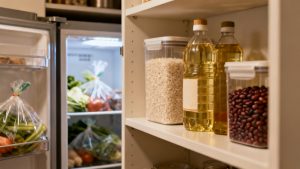
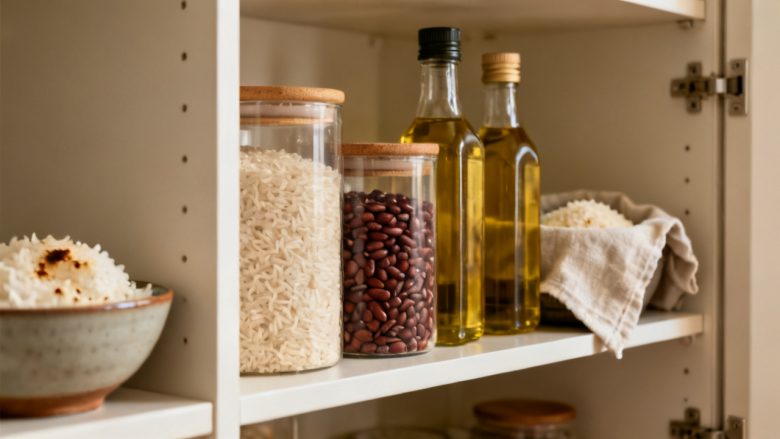
Choose three: rice, corn tortillas, GF tamari—or rice, potatoes, canned beans if budgets tight. Build two weeks rotating defaults before expanding into GF baking projects. Baking is rewarding but not required for everyday dinners.
Weeknight Pantry gluten-free everyday eating is mostly whole-food formats and careful sauce labels, not expensive replacement products at every meal. Defaults first; specialty second. When in doubt at store, photograph label and decide at home—not in aisle with hungry kids.