Why home pasta beats restaurant shortcuts
Restaurant pasta often relies on heavy cream and pre-made sauces because speed matters more than balance. At home you can cook pasta the Italian way: good dried pasta, water salted like the sea, and sauces built in the time it takes to boil noodles. The goal is not perfection—it is a plate that tastes bright, not muddy.
Start with one shape and one sauce until the rhythm feels natural. Spaghetti with garlic and oil, penne with tomato, or rigatoni with sausage are weeknight-friendly and teach the same core skills: salting pasta water, saving starchy cooking liquid, and finishing in the pan.
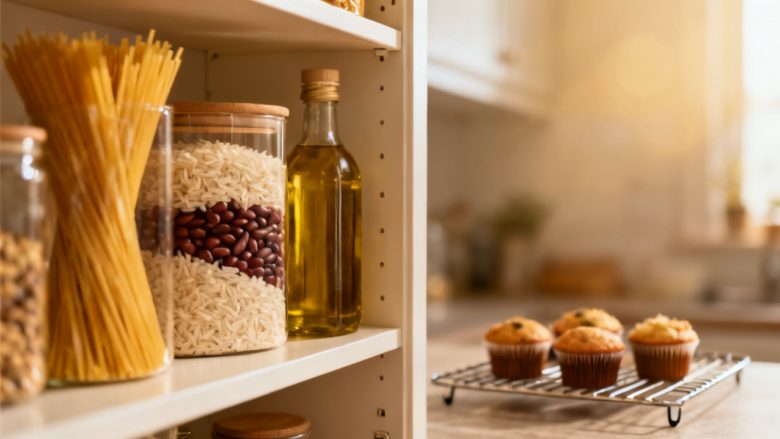
Keep a small pantry of olive oil, canned whole tomatoes, Pecorino or Parmigiano, dried chili flakes, and good pasta. That is enough for dozens of dinners without a specialty shop trip.
Measure pasta by weight when learning—a kitchen scale removes the guesswork of nested cups. One hundred grams dried pasta per hungry adult is a reliable starting point for main-dish portions. Weigh once, note what fills your bowls, and eyeball confidently later.
Spaghetti aglio e olio — the weeknight baseline
Bring a large pot of water to a rolling boil and salt it generously—about one tablespoon per quart. Cook spaghetti until just shy of al dente. Meanwhile, warm olive oil in a wide skillet over medium-low heat. Add thinly sliced garlic and a pinch of chili flakes. Stir until the garlic smells sweet, not brown.
Scoop a cup of pasta water before draining. Add drained pasta to the skillet with a splash of water, parsley if you have it, and toss vigorously. The water and oil emulsify into a glossy coating. Finish with grated cheese off the heat. Taste and adjust salt.
Common fix: if the plate tastes flat, you under-salted the pasta water or the finish pan. Add a pinch of salt and another splash of starchy water, then toss again.
Slice garlic uniformly for aglio e olio so every piece cooks at the same rate. A mandoline is optional; a sharp knife and calm pace work fine. If garlic jumps in hot oil, lower heat immediately—color should stay straw-gold, never mahogany.
Penne all’arrabbiata — tomato heat without clutter
Crush canned whole tomatoes by hand for a rustic texture. Sauté garlic in olive oil, add tomatoes, a pinch of sugar if the tomatoes taste sharp, and simmer fifteen minutes. Cook penne in salted water; reserve pasta water.
Transfer penne to the sauce with a ladle of pasta water. Toss over medium heat until the sauce clings. Add chopped parsley and a drizzle of olive oil at the end. If you want more heat, stir in extra chili flakes with the garlic.
This sauce freezes well in single portions. Thaw in the fridge overnight and reheat gently with a splash of water while pasta cooks fresh.
Tomato quality drives arrabbiata more than spice level. If canned tomatoes taste tinny, simmer five minutes longer and add a knob of butter at the end to round acidity. San Marzano labels help, but any whole peeled tomato you enjoy eating from the can will perform.
Rigatoni with sausage and greens
Brown loose Italian sausage in a skillet, breaking it into crumbles. Remove half the fat if the pan looks greasy, then add sliced onion and cook until soft. Deglaze with a splash of white wine or broth. Stir in blanched broccoli rabe, kale, or spinach until wilted.
Boil rigatoni until al dente. Combine pasta, sausage mixture, and pasta water in the pan. Toss until every tube catches bits of meat and greens. Finish with grated Pecorino.
Swap ideas: use sweet or hot sausage depending on your crowd; swap greens for frozen peas in a pinch.
Blanch tough greens thirty seconds before adding to sausage pan so rigatoni night does not turn chewy. Shock in cold water, squeeze dry, chop coarse. The extra bowl saves complaints about fibrous kale stems at the table.
Fresh tagliatelle with butter and sage
Fresh egg pasta cooks in two to three minutes—watch the pot closely. While water heats, melt butter in a skillet with whole sage leaves until the butter smells nutty and the leaves crisp. Add a squeeze of lemon if you like brightness.
Drain pasta, add to the butter, and toss with Parmigiano and black pepper. The sauce should coat strands, not pool. Serve immediately; fresh pasta waits for no one.
If fresh pasta is unavailable, use fettuccine dried and cook one minute less than package time, then finish in the sage butter the same way.
Sage leaves fry best when patted dry—water pops hot butter onto wrists and spots the stove. Fry three to four leaves at a time; overcrowding steams instead of crisps. Crumbled fried sage on top adds crunch even when butter sauce coats the pasta.
Timing chart for one-pot calm
- 0:00 — Start salted water; begin sauce base in a wide pan.
- 8:00 — Drop pasta when water boils hard.
- 2 min before al dente — Scoop pasta water; drain pasta slightly early.
- Finish — Toss pasta in sauce over medium heat 60–90 seconds.
- Plate — Olive oil or cheese off heat; serve hot.
Write this sequence on an index card until it becomes muscle memory. Italian home cooking is mostly choreography, not secret ingredients.
Practice the timing chart on a quiet Tuesday before inviting guests. Invite one helper to drain while you toss—two hands at the finish beat solo juggling a colander and a hot pan. Repeat until salt, water, and heat feel automatic.
Pick one recipe and cook it twice this week
Choose either aglio e olio or arrabbiata and make it twice within seven days. The second time you will notice how much salt and pasta water matter more than gadgetry. Add a third recipe only after the first feels boring—that is when technique has stuck.
Store leftover sauced pasta in a shallow container; reheat in a skillet with water, not the microwave alone, to restore texture. Weeknight Pantry pasta is about repeatability: same pot, same salt habit, better plates each round.
Jot one note after cooking—what timed out, what you’d repeat—so the next round starts smarter than the last.