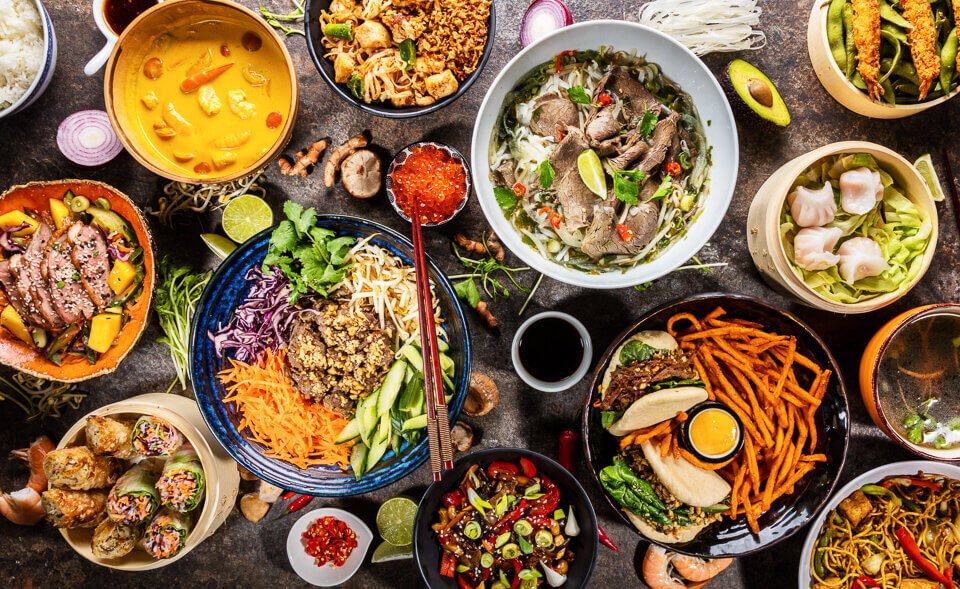
Exploring ethnic and world cuisine is a delightful way to expand your palate, learn about cultures, and bring exciting flavors into your kitchen. I’ve noticed many home cooks stick to familiar recipes, missing out on the rich variety of global dishes. Each cuisine reflects history, geography, and tradition, offering unique ingredients, techniques, and flavor combinations.
Trying international recipes doesn’t require exotic skills—it’s about understanding basic ingredients, cooking methods, and flavor profiles. This guide provides practical tips to enjoy and recreate authentic dishes from around the world while making them approachable for everyday cooking.
Understanding Ethnic & World Cuisine
1. Key Components
-
Ingredients: Staples like rice, noodles, legumes, spices, and vegetables vary by region
-
Flavors: Balance of sweet, salty, sour, bitter, and umami differs by cuisine
-
Cooking Techniques: Stir-frying, steaming, roasting, braising, and grilling are common
-
Presentation: Many cultures emphasize color, texture, and plating to enhance appeal
Why this works:
Recognizing the key elements allows you to replicate authentic flavors at home with confidence.
2. Popular World Cuisines
-
Italian: Fresh herbs, olive oil, pasta, cheeses, and tomato-based dishes
-
Mexican: Corn, beans, chili, and vibrant sauces like salsa and mole
-
Indian: Spices, lentils, rice, curries, and diverse vegetarian options
-
Japanese: Rice, seafood, soy-based sauces, and minimalistic presentation
-
Middle Eastern: Legumes, grains, yogurt, olive oil, and aromatic spices
-
Thai: Balance of sweet, sour, salty, and spicy flavors in curries and soups
Tip:
Start with cuisines that use ingredients readily available locally to make cooking easier.
Practical Tips for Cooking Ethnic & World Cuisine
1. Learn the Essential Ingredients
-
Stock pantry with staples like rice, pasta, spices, oils, and sauces
-
Familiarize yourself with regional herbs and seasonings
-
Experiment gradually—start with one new ingredient per recipe
Why this works:
Understanding core ingredients simplifies cooking and maintains authentic flavors.
2. Master Basic Techniques
-
Stir-frying for Asian cuisines
-
Simmering for Indian and Middle Eastern curries
-
Roasting for Mediterranean dishes
-
Baking or steaming for European or Asian pastries
Why this works:
Techniques shape texture, flavor, and aroma, bringing authenticity to home cooking.
3. Balance Flavors Thoughtfully
-
Taste as you go and adjust seasonings gradually
-
Learn common flavor combinations per cuisine
-
Use fresh herbs and aromatics to enhance complexity
Why this works:
Flavor balance is key to achieving the characteristic taste of each cuisine.
4. Simplify Complex Recipes
-
Choose beginner-friendly versions with fewer ingredients
-
Prepare sauces or spice mixes in advance
-
Substitute local ingredients without compromising authenticity
Why this works:
Simplifying allows consistent, successful results and builds confidence in cooking international dishes.
5. Presentation and Serving
-
Garnish with fresh herbs, seeds, or citrus
-
Arrange dishes to showcase color and texture
-
Pair dishes with appropriate sides like rice, bread, or salads
Why this works:
Presentation enhances the dining experience and makes meals more enjoyable.
Expertise & Trust: Best Practices
-
Follow reliable recipes from reputable sources or cookbooks
-
Taste and adjust seasoning based on personal preference
-
Respect cultural origins while adapting recipes for convenience or dietary needs
Logical explanation:
Authenticity comes from understanding ingredients and techniques, but flexibility ensures accessibility and enjoyment.
Common Mistakes
-
Overusing spices or seasonings, overwhelming flavors
-
Substituting ingredients too drastically, altering the dish’s essence
-
Ignoring cooking methods specific to a cuisine, resulting in texture issues
-
Rushing complex recipes without preparation or planning
FAQs About Ethnic & World Cuisine
How do I start cooking international dishes at home?
Begin with simple recipes from cuisines you enjoy, and gather essential ingredients gradually.
Can I substitute hard-to-find ingredients?
Yes, but research suitable alternatives to maintain flavor balance.
Is it expensive to cook ethnic cuisine?
Not necessarily. Many recipes use staples like rice, beans, and vegetables, which are affordable.
How can I make dishes healthier?
Use less oil, lean proteins, and more vegetables without compromising flavor.
How do I avoid overwhelming flavors?
Add spices gradually and taste frequently to adjust seasoning.
Conclusion
Cooking ethnic and world cuisine brings excitement, diversity, and culture into your kitchen. By understanding core ingredients, mastering basic techniques, and balancing flavors thoughtfully, you can recreate authentic dishes at home. Simplifying recipes, paying attention to presentation, and practicing consistently ensures delicious results. Exploring global flavors not only enriches meals but also broadens culinary skills, making every meal an adventure in taste, tradition, and creativity.