Introduction
Eating healthy doesn’t have to be complicated or boring. I’ve noticed many people struggle to prepare meals that are both nutritious and satisfying, often defaulting to processed foods or takeout. Healthy, nutrition-focused meals provide energy, support immunity, and promote long-term well-being.
The key is planning meals that balance macronutrients, include plenty of fruits and vegetables, and are simple to prepare. With practical strategies, you can create meals that are delicious, filling, and nourishing for your body every day.
Core Principles of Healthy & Nutrition-Focused Meals
1. Balanced Nutrition
-
Include protein, complex carbohydrates, and healthy fats in every meal
-
Prioritize whole foods over processed options
-
Add colorful vegetables and fruits for vitamins, minerals, and antioxidants
Why this works:
Balanced meals provide sustained energy, support organ function, and reduce cravings for unhealthy foods.
2. Portion Control
-
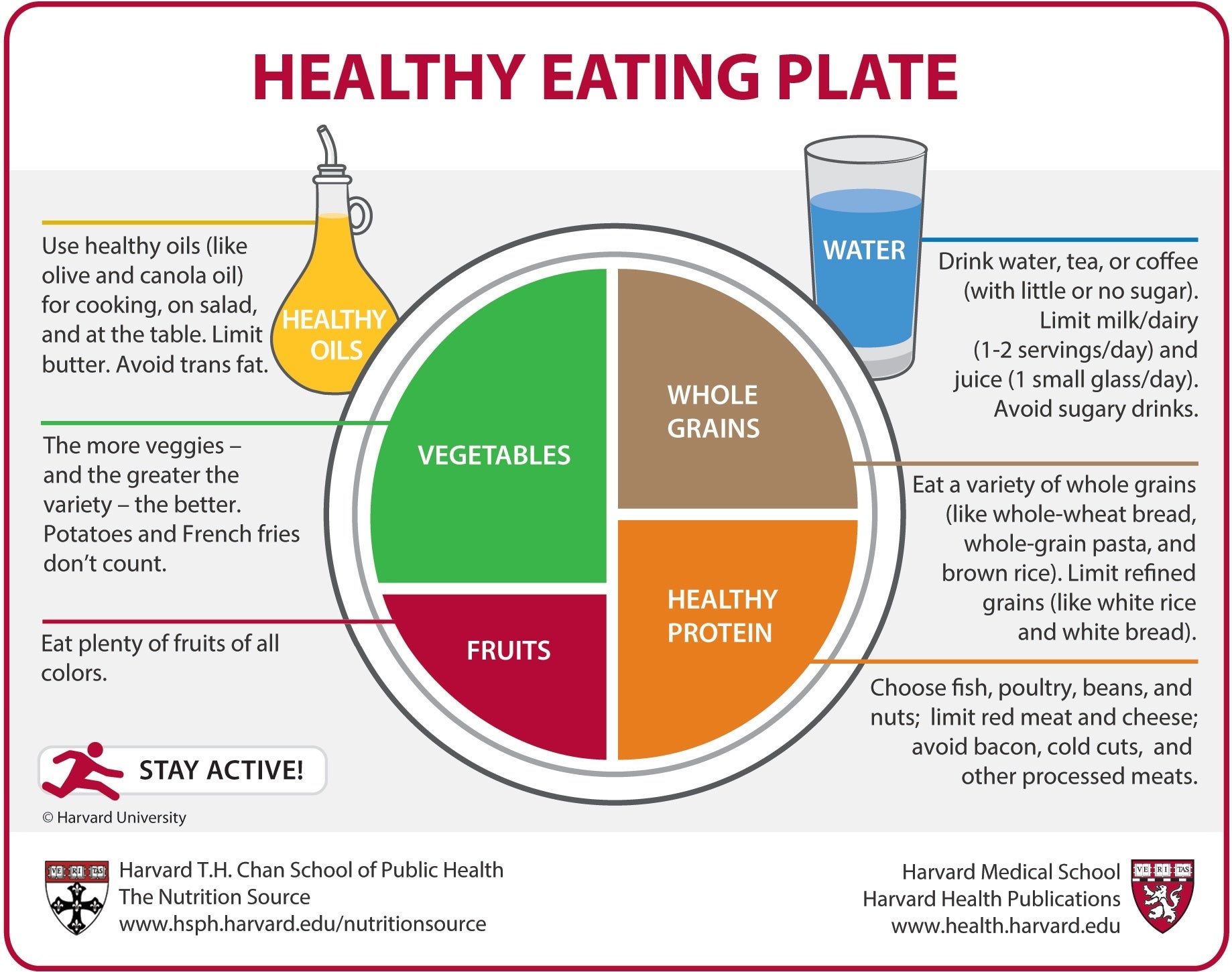
Fill half your plate with vegetables, a quarter with protein, and a quarter with whole grains
-
Use smaller plates to manage serving sizes
-
Avoid eating out of boredom or stress
Why this works:
Portion control prevents overeating while ensuring adequate nutrient intake.
3. Mindful Eating
-
Eat slowly and without distractions like TV or smartphones
-
Pay attention to hunger and fullness cues
-
Savor flavors and textures to enhance satisfaction
Why this works:
Mindful eating improves digestion, prevents overeating, and promotes a positive relationship with food.
Practical Meal Ideas
1. Breakfast
-
Overnight oats with fruits, nuts, and seeds
-
Vegetable omelet with whole-grain toast
-
Smoothie bowls with spinach, berries, and protein powder
Tip:
Combine protein, healthy fats, and fiber to keep you full and energized throughout the morning.
2. Lunch
-
Quinoa salad with chickpeas, avocado, tomatoes, and lemon dressing
-
Grilled chicken or tofu wraps with mixed greens and hummus
-
Vegetable stir-fry with brown rice or whole-grain noodles
Tip:
Meal prep in advance to save time and ensure balanced options are ready.
3. Dinner
-
Baked salmon with roasted vegetables and quinoa
-
Lentil soup with a side salad
-
Stuffed bell peppers with lean protein, vegetables, and grains
Tip:
Aim for lighter, nutrient-dense dinners to promote better sleep and digestion.
4. Snacks
-
Fresh fruit with nut butter
-
Greek yogurt with seeds or granola
-
Raw nuts or trail mix
-
Vegetable sticks with hummus
Why this works:
Healthy snacks maintain energy levels, prevent overeating at meals, and provide extra nutrients.
Expertise & Trust: Best Practices
-
Use seasonal and locally available produce for freshness and flavor
-
Rotate protein sources: poultry, fish, legumes, eggs, and plant-based options
-
Limit added sugars, unhealthy fats, and highly processed foods
-
Drink water throughout the day to stay hydrated
Logical explanation:
A variety of whole foods ensures you receive a wide range of nutrients necessary for optimal health.
Common Mistakes
-
Skipping meals, leading to overcompensation later
-
Relying heavily on processed or convenience foods
-
Ignoring portion sizes and calorie balance
-
Lack of preparation, causing last-minute unhealthy choices
FAQs About Healthy & Nutrition-Focused Meals
Can I eat healthy on a budget?
Yes. Focus on seasonal vegetables, legumes, whole grains, and bulk proteins like eggs or beans.
How do I make meals more nutritious?
Add colorful vegetables, lean proteins, whole grains, and healthy fats to every meal.
Is meal prep necessary?
Not required, but planning ahead saves time and ensures balanced options.
Can I eat healthy and still enjoy desserts?
Yes. Moderation is key. Consider fruit-based desserts, yogurt parfaits, or small portions of treats.
How often should I eat per day?
3 balanced meals with 1–2 healthy snacks is typical, but adjust according to hunger and activity levels.
Conclusion
Healthy, nutrition-focused meals are achievable with planning, simple ingredients, and balanced combinations of protein, carbohydrates, and fats. By incorporating colorful fruits and vegetables, mindful eating habits, portion control, and practical meal ideas, you can nourish your body while enjoying flavorful food. Consistency, variety, and preparation are the keys to building sustainable eating habits that support energy, immunity, and overall wellness every day.