Healthy eating does not need to be complicated, expensive, or restrictive. In fact, some of the best nutrition-focused meals are simple, balanced, and easy to prepare at home using everyday ingredients.
Many people think healthy meals require strict diets or eliminating all favorite foods. The reality is that nutrition is more about balance and consistency than perfection. A healthy meal should provide your body with energy, essential nutrients, and long-lasting satisfaction without feeling overly complicated.
The challenge today is that fast food, processed snacks, and busy schedules often make unhealthy eating feel more convenient. However, with a little planning and smarter ingredient choices, healthy meals can become practical and enjoyable.
This guide explains how to build balanced nutrition-focused meals, choose healthier ingredients, and create sustainable eating habits for daily life.
Table of Contents
- What Healthy & Nutrition-Focused Meals Mean
- Why Balanced Meals Matter
- Essential Components of a Healthy Meal
- Best Foods for Balanced Nutrition
- Healthy Breakfast Meal Ideas
- Nutrition-Focused Lunch and Dinner Ideas
- Healthy Snacks and Light Meals
- Meal Planning Tips for Better Nutrition
- Healthy Meal Comparison Table
- Common Healthy Eating Mistakes
- FAQ
- Conclusion
1. What Healthy & Nutrition-Focused Meals Mean
Nutrition-focused meals are meals designed to provide balanced nutrients that support overall health, energy, and wellness.
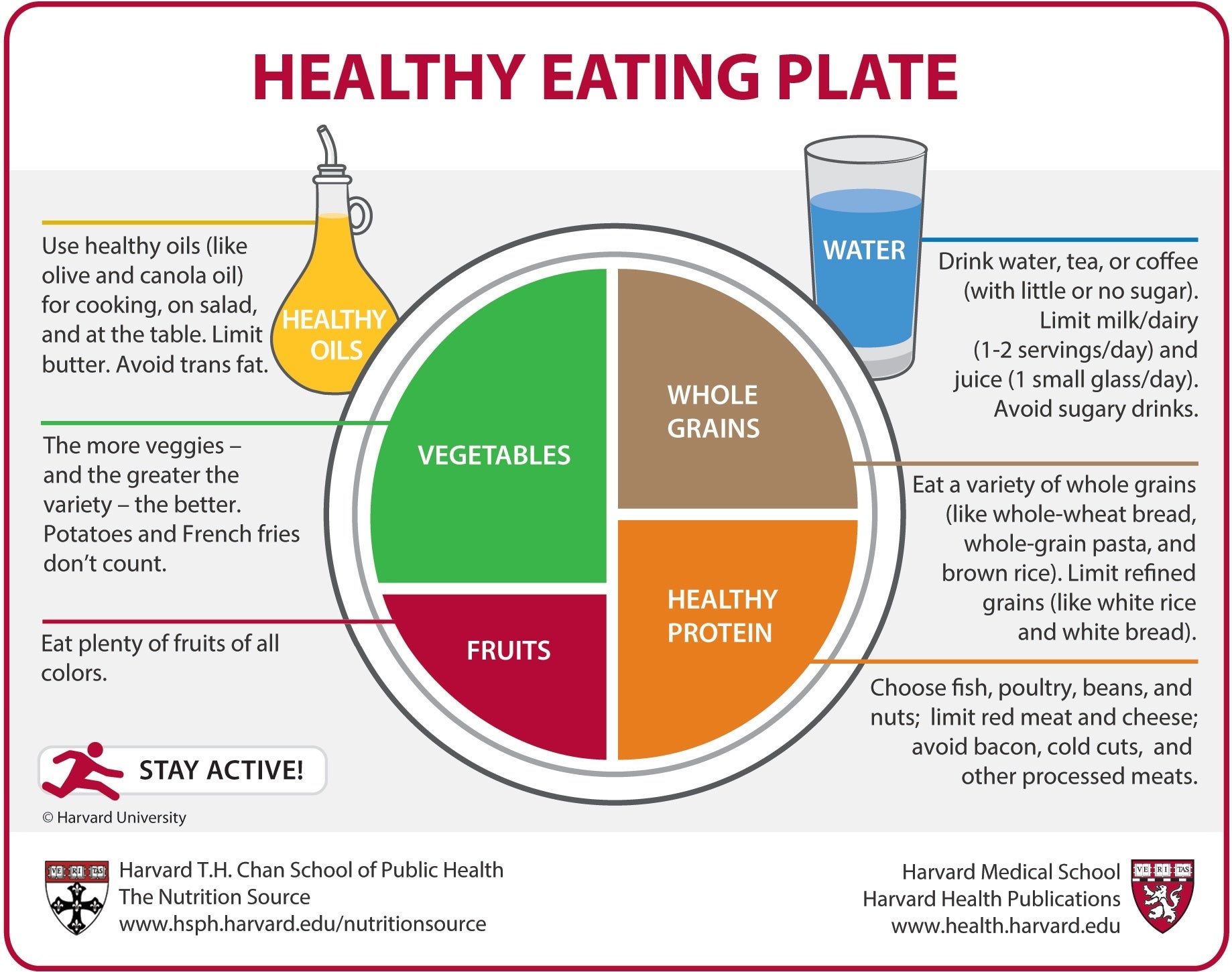
A balanced meal usually includes:
- Protein
- Healthy carbohydrates
- Healthy fats
- Fiber-rich foods
- Vitamins and minerals
Healthy meals are not about eating less. They are about eating smarter.
2. Why Balanced Meals Matter
Balanced nutrition affects nearly every part of daily life.
Benefits of healthy meals:
- More stable energy levels
- Better concentration
- Improved digestion
- Better weight management
- Stronger immune support
- Reduced unhealthy cravings
Poor eating habits often lead to fatigue and inconsistent energy.
3. Essential Components of a Healthy Meal
A good meal usually combines multiple nutrient groups.
Protein
Protein supports muscles, recovery, and fullness.
Healthy sources:
- Eggs
- Chicken
- Fish
- Beans
- Yogurt
- Lentils
Healthy Carbohydrates
Carbs provide energy when chosen properly.
Better options:
- Brown rice
- Oats
- Whole grains
- Potatoes
- Fruits
Healthy Fats
Healthy fats support brain and body function.
Examples:
- Nuts
- Seeds
- Olive oil
- Avocados
Fiber
Fiber helps digestion and fullness.
Fiber-rich foods:
- Vegetables
- Fruits
- Whole grains
- Beans
4. Best Foods for Balanced Nutrition
| Food Group | Healthy Examples |
|---|---|
| Proteins | Eggs, fish, beans |
| Vegetables | Spinach, broccoli, carrots |
| Fruits | Apples, bananas, berries |
| Whole Grains | Oats, brown rice |
| Healthy Fats | Nuts, olive oil |
Whole foods usually provide better nutrition than highly processed foods.
5. Healthy Breakfast Meal Ideas
Breakfast should provide steady energy rather than a quick sugar spike.
1. Oatmeal with Fruit and Nuts
Provides fiber, healthy carbs, and healthy fats.
2. Eggs with Whole Wheat Toast
Simple high-protein breakfast.
3. Yogurt with Fruits and Seeds
Light but nutritious option.
4. Smoothie with Banana and Oats
Convenient for busy mornings.
6. Nutrition-Focused Lunch and Dinner Ideas
Balanced meals should feel satisfying, not restrictive.
Grilled Chicken with Rice and Vegetables
Balanced protein, carbs, and fiber.
Lentil Soup with Whole Grain Bread
Affordable and nutrient-rich.
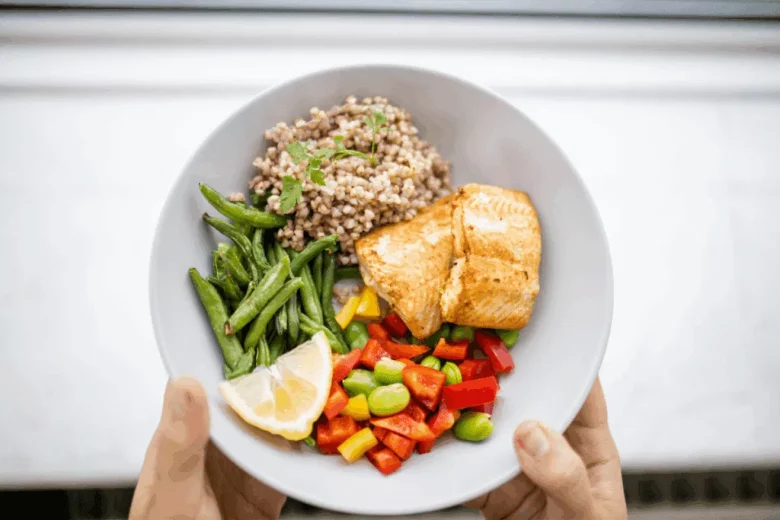
Salmon with Vegetables
Healthy fats and protein.
Stir-Fried Vegetables with Eggs
Quick and practical meal option.
7. Healthy Snacks and Light Meals
Healthy snacks help prevent overeating later.
Better snack options:
| Snack | Nutritional Benefit |
|---|---|
| Nuts | Healthy fats and protein |
| Fruit | Vitamins and fiber |
| Yogurt | Protein and calcium |
| Boiled eggs | Protein |
| Popcorn | Light whole-grain snack |
Simple snacks are often healthier than packaged processed foods.
8. Meal Planning Tips for Better Nutrition
Plan Meals in Advance
Reduces unhealthy food choices.
Keep Healthy Ingredients Available
Accessibility affects eating habits.
Cook More at Home
Home cooking gives better ingredient control.
Avoid Extreme Dieting
Balanced eating is more sustainable long-term.
Drink Enough Water
Hydration supports digestion and energy.
9. Healthy Meal Comparison Table
| Meal Type | Nutrition Level | Fullness | Preparation Difficulty |
|---|---|---|---|
| Fast Food Meals | Low-Medium | Medium | Very Easy |
| Home-Cooked Balanced Meals | High | High | Moderate |
| Processed Snacks | Low | Low | Very Easy |
| Whole Food Meals | Very High | High | Moderate |
| Sugary Breakfasts | Low | Short-Term | Easy |
10. Common Healthy Eating Mistakes
1. Skipping Meals
Can increase cravings later.
2. Overeating “Healthy” Snacks
Portion control still matters.
3. Following Extreme Diet Trends
Often difficult to maintain.
4. Ignoring Protein Intake
Can reduce fullness and energy stability.
5. Drinking Sugary Beverages Frequently
Adds unnecessary calories.
Simple Balanced Meal Formula
| Meal Component | Example |
|---|---|
| Protein | Chicken, eggs, beans |
| Healthy Carb | Rice, oats, potatoes |
| Vegetables | Salad or cooked vegetables |
| Healthy Fat | Olive oil or nuts |
This simple structure works for most healthy meals.
FAQ: Healthy & Nutrition-Focused Meals
1. What makes a meal healthy?
A healthy meal contains balanced nutrients including protein, fiber, healthy fats, and vitamins.
2. Are carbohydrates unhealthy?
No, healthy carbohydrates are an important energy source.
3. How can I eat healthier on a budget?
Use affordable whole foods like oats, rice, eggs, lentils, and vegetables.
4. Is home cooking healthier than fast food?
Usually yes, because ingredients and portions are easier to control.
5. Do healthy meals need to be complicated?
No, simple balanced meals are often the most sustainable.
Conclusion
Healthy and nutrition-focused meals are not about strict perfection or complicated diets. They are about creating balanced meals that support energy, wellness, and long-term health in a practical way.
Simple habits like cooking at home, choosing whole foods, balancing nutrients, and planning meals ahead can make healthy eating easier and more sustainable.
The best nutrition plan is usually the one you can realistically maintain every day.