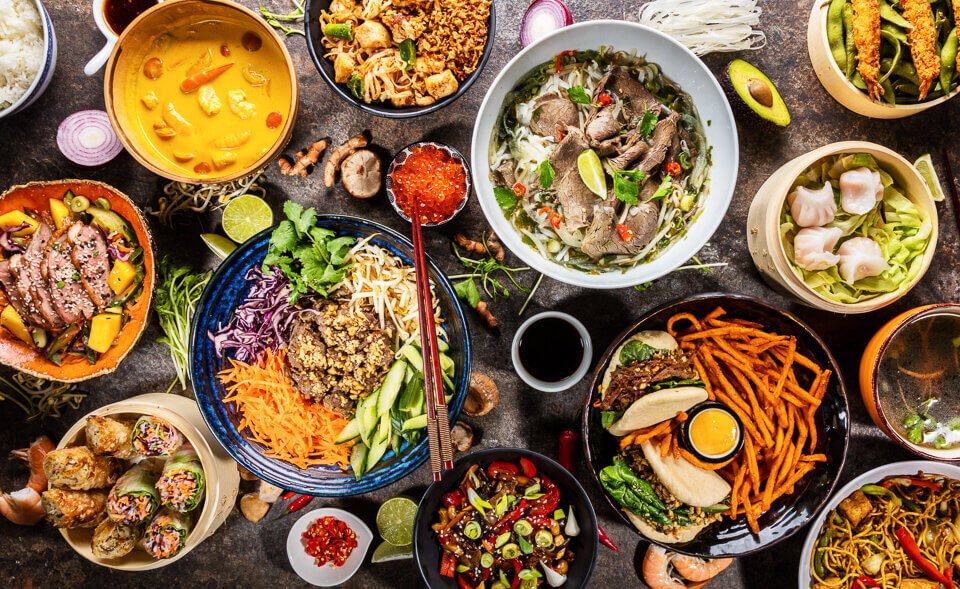
Food is one of the easiest ways to experience different cultures without traveling. Every region of the world has its own unique ingredients, cooking techniques, spices, and traditions that shape the way people eat and prepare meals.
Ethnic and world cuisine is more than just trying unfamiliar dishes. It reflects history, geography, family traditions, climate, and local ingredients. From spicy South Asian curries to Mediterranean grilled dishes and East Asian noodle recipes, global cuisine offers endless variety and inspiration.
In recent years, international foods have become increasingly popular because people are looking for more flavor, healthier options, and exciting cooking experiences at home.
This guide explores popular world cuisines, common ingredients, cooking methods, and practical tips for beginners interested in global cooking.
Table of Contents
- What Is Ethnic & World Cuisine?
- Why Global Cuisine Is So Popular
- Major Types of World Cuisine
- Common Ingredients Used Around the World
- Popular International Dishes
- Cooking Styles Across Different Cultures
- Beginner Tips for Exploring Global Foods
- Healthy Aspects of World Cuisine
- World Cuisine Comparison Table
- Common Mistakes When Cooking International Foods
- FAQ
- Conclusion
1. What Is Ethnic & World Cuisine?
Ethnic and world cuisine refers to traditional foods and cooking styles from different cultures and regions worldwide.
It includes:
- Traditional recipes
- Cultural cooking methods
- Regional spices and ingredients
- Unique serving styles
Global cuisine allows people to experience new flavors and cooking traditions.
2. Why Global Cuisine Is So Popular
People enjoy international food for many reasons.
Main reasons include:
- Variety of flavors
- Cultural curiosity
- Healthier cooking styles
- Creative cooking inspiration
- Restaurant and travel influence
Trying foods from different cultures also expands cooking skills and ingredient knowledge.
3. Major Types of World Cuisine
1. Italian Cuisine
Known for simple ingredients and rich flavors.
Common foods:
- Pasta
- Pizza
- Risotto
- Olive oil dishes
Popular ingredients:
- Tomatoes
- Cheese
- Basil
- Garlic
2. Chinese Cuisine
Famous for balance of flavor and texture.
Common dishes:
- Fried rice
- Noodles
- Dumplings
- Stir fry meals
Common cooking methods:
- Stir frying
- Steaming
3. Indian Cuisine
Known for spices and flavorful curries.
Popular foods:
- Curry dishes
- Rice meals
- Flatbreads
- Lentil dishes
Common spices:
- Turmeric
- Cumin
- Coriander
- Chili powder
4. Mexican Cuisine
Rich in bold flavors and fresh ingredients.
Common dishes:
- Tacos
- Burritos
- Salsa
- Rice and beans
5. Mediterranean Cuisine
Often considered one of the healthiest cuisine styles.
Common foods:
- Grilled fish
- Salads
- Olive oil dishes
- Whole grains
6. Japanese Cuisine
Focuses on simplicity and presentation.
Popular dishes:
- Sushi
- Ramen
- Rice bowls
- Grilled seafood
4. Common Ingredients Used Around the World
| Ingredient | Common Regions |
|---|---|
| Rice | Asia, Latin America |
| Olive Oil | Mediterranean |
| Soy Sauce | East Asia |
| Beans | Latin America |
| Curry Spices | South Asia |
| Pasta | Italy and Europe |
Ingredients often reflect regional climate and agriculture.
5. Popular International Dishes
Italian Pasta
Simple but highly versatile.
Indian Butter Chicken
Creamy curry dish with rich spices.
Japanese Sushi
Rice-based dish with seafood or vegetables.
Chinese Fried Rice
Popular quick meal worldwide.
Mexican Tacos
Flexible and flavorful street food.
6. Cooking Styles Across Different Cultures
Different cuisines use different cooking methods.
| Cooking Method | Common Regions |
|---|---|
| Stir Frying | China and East Asia |
| Grilling | Mediterranean and Middle East |
| Slow Cooking | South Asia and Europe |
| Steaming | East Asia |
| Baking | Europe and North America |
Cooking methods strongly influence flavor and texture.
7. Beginner Tips for Exploring Global Foods
Start with Simple Recipes
Choose beginner-friendly dishes first.
Learn Basic Spices
Understanding spices improves cooking confidence.
Use Authentic Ingredients When Possible
Small ingredient differences affect flavor significantly.
Watch Cooking Techniques Carefully
Technique matters as much as ingredients.
Be Open to New Flavors
Different cuisines may taste unfamiliar at first.
8. Healthy Aspects of World Cuisine
Many traditional cuisines naturally include balanced nutrition.
Healthy features:
- More vegetables
- Fresh ingredients
- Lean proteins
- Herbs and spices
- Balanced portions
Traditional diets are often less processed than modern fast food.
9. World Cuisine Comparison Table
| Cuisine | Main Flavor Style | Common Protein | Popular Carb |
|---|---|---|---|
| Italian | Savory and rich | Cheese, seafood | Pasta |
| Indian | Spicy and aromatic | Chicken, lentils | Rice |
| Chinese | Balanced savory flavors | Pork, chicken | Rice, noodles |
| Mexican | Bold and spicy | Beef, beans | Tortillas |
| Mediterranean | Fresh and light | Fish, chicken | Bread, grains |
| Japanese | Mild and clean flavors | Seafood | Rice |
10. Common Mistakes When Cooking International Foods
1. Overcomplicating Recipes
Simple dishes are easier for beginners.
2. Ignoring Traditional Techniques
Cooking style affects authenticity.
3. Using Incorrect Spice Amounts
Too much seasoning can overpower dishes.
4. Replacing Too Many Ingredients
Substitutions may change flavor completely.
5. Expecting Instant Perfection
Global cooking skills improve with practice.
FAQ: Ethnic & World Cuisine
1. What is world cuisine?
World cuisine includes foods and cooking styles from cultures around the globe.
2. Which cuisine is healthiest?
Mediterranean cuisine is often considered one of the healthiest overall.
3. Is international cooking difficult for beginners?
Not necessarily. Many dishes are simple once basic ingredients are understood.
4. Why do cuisines taste different around the world?
Climate, culture, ingredients, and traditions all influence flavor and cooking styles.
5. What is the easiest cuisine for beginners to try?
Italian and simple Asian stir-fry dishes are often beginner-friendly.
Conclusion
Ethnic and world cuisine offers far more than just new foods. It provides insight into cultures, traditions, ingredients, and cooking methods from around the world.
Exploring global cuisine can make cooking more enjoyable, improve creativity in the kitchen, and introduce healthier and more diverse meal options. Whether you start with simple pasta dishes, rice meals, curries, or grilled recipes, learning international cooking styles gradually builds confidence and appreciation for food from different cultures.
The best way to explore world cuisine is to stay curious, start simple, and enjoy the process of discovering new flavors.