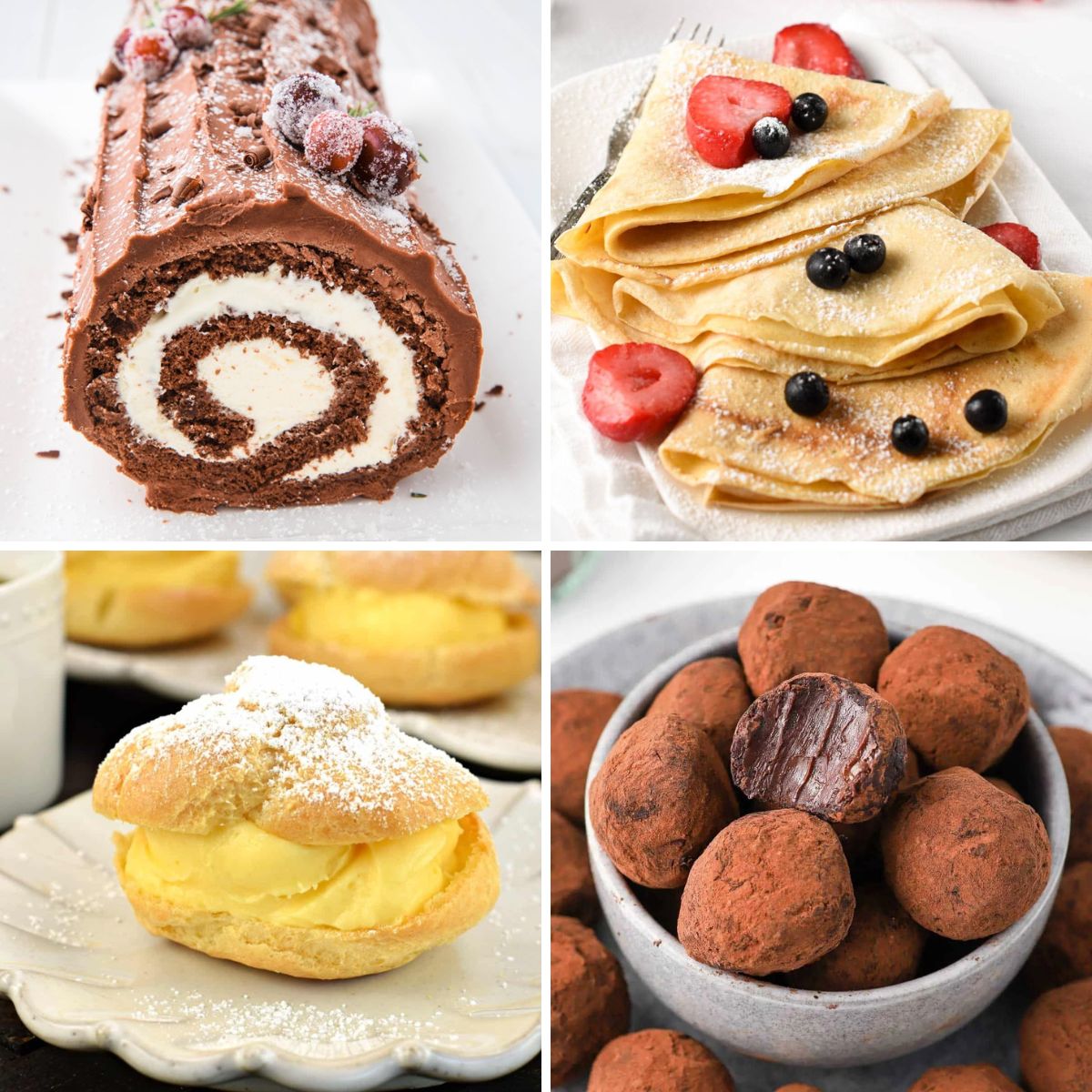
I remember the first time I baked a cake from scratch. I was twelve years old, standing on a step stool to reach my mother’s kitchen counter, flour dusting my nose, and a mixture of excitement and terror in my chest. The recipe was simple, a basic yellow cake from a worn cookbook. But the process felt like alchemy. Butter and sugar creamed into pale fluff. Eggs beaten until the batter shone. The oven’s warmth transforming liquid batter into golden domes. When I pulled that cake from the oven, imperfect and slightly lopsided, it was the proudest moment of my young life. That cake taught me that baking is not just about dessert. It is about patience, transformation, and the joy of creating something beautiful from simple ingredients.
Years later, I still bake when I need to feel grounded. There is something meditative about measuring flour, something therapeutic about kneading dough, something deeply satisfying about pulling a perfect loaf of bread from the oven. Baking connects us to centuries of tradition while allowing for endless personal expression. Whether you are making a humble batch of cookies or an elaborate layered cake, the process engages your hands, your senses, and your heart.
This article is a comprehensive guide to desserts and baking. We will explore the science and art of baking, essential techniques, classic recipes, troubleshooting common problems, and the mindset that turns a kitchen into a place of creativity and comfort. Whether you are a complete beginner intimidated by the precision of baking or an experienced home baker looking to expand your repertoire, this guide will help you bake with confidence and joy.
Why Baking Matters: Beyond the Sweet Tooth
Baking is often dismissed as a frivolous indulgence, something we do only for special occasions or to satisfy cravings. But baking is far more meaningful than that.
Baking as a Creative Outlet
In a world of screens and abstractions, baking is tangible and immediate. You combine ingredients, apply heat, and witness a physical transformation. The result is something you can share, taste, and enjoy. This creative satisfaction is rare in modern life and deeply nourishing.
I have known professionals who bake on weekends to decompress from stressful jobs. The focus required, the sensory engagement, and the predictable outcome provide a counterbalance to the ambiguity of knowledge work. Baking is therapy you can eat.
Baking as Connection
Few things bring people together like homemade desserts. A birthday cake signals celebration. Fresh bread welcomes guests. Cookies express care in a way that words sometimes cannot. Baking is a language of love that transcends culture and circumstance.
My neighbor brings me banana bread when she knows I am having a difficult week. I bring her pie when her family visits. We have never discussed our problems directly, but these exchanges communicate understanding and support more effectively than any conversation.
Baking as Tradition
Every culture has its baking traditions. French pastries, Italian biscotti, German stollen, Japanese mochi, American apple pie. These desserts carry history, identity, and memory. Learning to bake them connects you to a lineage of cooks who came before.
The Science of Baking: Why Precision Matters
Unlike cooking, where improvisation often improves results, baking is chemistry. The proportions of ingredients, the methods of combining them, and the application of heat must be understood and respected.
The Role of Each Ingredient
Understanding what each ingredient does helps you bake better and troubleshoot problems.
Flour provides structure through gluten and starch. Different flours have different protein contents, which affects texture. Bread flour is high in protein for chewy bread. Cake flour is low in protein for tender cakes. All-purpose flour falls in the middle.
Sugar sweetens, tenderizes, and helps with browning. It also holds moisture, keeping baked goods soft. Reducing sugar without understanding its other functions often produces dry, pale results.
Fat tenderizes by coating flour proteins and preventing excessive gluten formation. Butter provides flavor and flakiness. Oil creates moist, tender crumb. Shortening produces the flakiest pastries.
Eggs provide structure, moisture, richness, and leavening. They bind ingredients together and help baked goods rise. The proportion of eggs dramatically affects texture.
Leavening Agents create air bubbles that make baked goods rise. Baking powder and baking soda are chemical leaveners. Yeast is biological. Air beaten into butter or eggs is mechanical.
Liquid hydrates flour, dissolves sugar and salt, and activates leavening. The type and temperature of liquid affect the final result.
I once tried to make a cake with less sugar for health reasons. It was dry, dense, and disappointing. When I learned that sugar does more than sweeten, I began adjusting recipes more intelligently, using applesauce or yogurt to compensate for reduced sugar rather than simply cutting it.
The Importance of Technique
How you combine ingredients matters as much as what you combine.
Creaming butter and sugar incorporates air and creates a light texture. Under-creaming produces dense cakes. Over-creaming can cause collapse.
Folding gently combines delicate ingredients without deflating air. Used for incorporating whipped egg whites or folding flour into batter.
Kneading develops gluten in bread dough, creating structure and chew. Under-kneaded bread is dense. Over-kneaded bread is tough.
Resting and proofing allow gluten to relax and yeast to produce gas. Rushing these steps produces inferior texture.
Temperature Control
Oven temperature affects browning, rise, and texture. An oven that runs hot burns the outside while leaving the inside raw. An oven that runs cool produces pale, dense results. An oven thermometer is one of the best investments a baker can make.
Ingredient temperature also matters. Room temperature butter creams better than cold. Room temperature eggs emulsify more easily. Cold butter creates flaky pastry. Warm liquid activates yeast.
Essential Baking Techniques
Mastering these techniques opens up a world of baking possibilities.
Making the Perfect Pie Crust
A great pie crust is flaky, tender, and flavorful. The secret is keeping the fat cold and handling the dough minimally.
Start with cold butter and ice water. Cut the butter into the flour until pieces are pea-sized. Add water gradually until the dough just holds together. Chill before rolling. Roll from the center outward, turning frequently. The visible pieces of butter in the dough are what create flakiness as they melt in the oven.
My grandmother’s pie crust was legendary. She used lard, which produces the flakiest crust imaginable. I use a combination of butter and shortening for flavor and texture. The principle remains the same: cold fat, minimal handling, and patience.
Working with Yeast
Yeast baking intimidates many beginners, but yeast is remarkably forgiving once you understand it.
Yeast is a living organism that produces carbon dioxide gas, making dough rise. It needs warmth, moisture, and food, sugar or flour starch, to work. Too hot and it dies. Too cold and it sleeps. The ideal temperature is around 100 degrees Fahrenheit, warm but not hot.
Proofing, allowing dough to rise, is where patience pays off. A properly proofed loaf doubles in volume and springs back slowly when pressed. Under-proofed bread is dense. Over-proofed bread collapses.
I ruined several loaves before I learned to trust the dough rather than the clock. Rising time varies with temperature, humidity, and dough composition. The dough tells you when it is ready.
Whipping Egg Whites
Properly whipped egg whites can leaven cakes, lighten mousses, and create meringue. The key is cleanliness and gradual sugar addition.
Fat prevents egg whites from whipping. Even a trace of yolk or oil on your bowl can ruin the process. Start with room temperature whites in a clean, dry bowl. Beat until foamy, then add sugar gradually. Continue until stiff peaks form, peaks that hold their shape when the whisk is lifted.
Tempering Chocolate
Tempering chocolate creates a glossy finish and crisp snap. It involves heating chocolate to melt all crystals, cooling to form stable crystals, and reheating slightly to maintain them.
For home bakers, the seeding method is most practical. Melt two-thirds of your chocolate. Add the remaining third, stirring until melted. This introduces stable crystals that encourage proper setting. The result is chocolate that looks professional and feels satisfying to bite.
Making Custards and Curds
Custards combine eggs, sugar, and dairy into silky, rich desserts. The challenge is cooking gently enough to thicken without curdling.
A double boiler provides gentle, indirect heat. Constant stirring prevents hot spots. The custard is done when it coats the back of a spoon and a finger drawn through leaves a clean line. Straining removes any lumps. Chilling completes the thickening.
Lemon curd was my first successful custard. The bright flavor and silky texture made me feel like a professional pastry chef. The technique, once learned, applies to pastry cream, crème brûlée, and countless other desserts.
Classic Dessert Categories Every Baker Should Know
Here are the foundational categories of desserts, with guidance on mastering each.
Cakes
Cakes range from simple butter cakes to elaborate layer cakes. The basic formula is creaming butter and sugar, adding eggs, alternating dry and wet ingredients, and baking until set.
The most common cake problems are dryness, density, and collapse. Dryness usually means overbaking or insufficient fat. Density comes from under-mixing, over-mixing, or insufficient leavening. Collapse often results from opening the oven door too early or underbaking.
A well-made cake is tender, moist, and evenly crumb. It should spring back when lightly pressed and pull away slightly from the pan edges.
Cookies
Cookies are forgiving and varied. Drop cookies, like chocolate chip, are the easiest entry point. Roll-out cookies, like sugar cookies, require chilling and rolling. Bar cookies, like brownies, are baked in a pan and cut. Refrigerator cookies are shaped into logs and sliced.
The key variables are butter temperature, flour amount, and baking time. More butter produces flatter, crisper cookies. More flour produces thicker, cakier cookies. Underbaking produces soft, chewy centers. Overbaking produces crisp, dry results.
I have a cookie recipe I have adjusted over years. Less flour for chewiness. More brown sugar for moisture. Chilling the dough for deeper flavor. These small tweaks transformed a good recipe into one that friends request by name.
Pies and Tarts
Pies combine crust with filling. Fruit pies require thickened fruit to prevent soggy bottoms. Custard pies need gentle baking to set without curdling. Cream pies are filled after baking with chilled custards or whipped cream.
Tarts are similar but typically have thinner, crisper crusts and shallower fillings. They are often more elegant and easier to serve than deep-dish pies.
Blind baking, pre-baking the crust before adding filling, is essential for wet fillings. Line the crust with parchment, fill with weights, and bake until set. Remove weights and finish baking until lightly golden.
Breads
Bread baking is the most transformative and satisfying form of baking. Flour, water, yeast, and salt become something alive, fragrant, and nourishing.
Start with a simple no-knead bread. Mix ingredients, let time and yeast do the work, bake in a covered pot. The result is crusty, chewy, and impressive. As you gain confidence, explore kneaded breads, enriched breads with butter and eggs, and sourdough.
Sourdough requires maintaining a starter, a living culture of wild yeast and bacteria. It is demanding but rewarding. The complex flavors and textures of a well-made sourdough are unmatched by commercial bread.
Pastries
Puff pastry, croissants, and Danish are the pinnacles of baking technique. They require laminating, folding butter into dough repeatedly to create hundreds of layers. The process is time-consuming and temperature-sensitive.
For home bakers, store-bought puff pastry is an acceptable shortcut. But making it from scratch, even once, deepens your understanding of baking and produces a result that is genuinely superior.
Custards and Creams
Crème brûlée, panna cotta, flan, and mousse all fall into this category. They share a base of dairy and thickening agents, eggs, gelatin, or starch, set into silky, rich desserts.
The key is gentle heat and careful timing. Overcooked custard curdles. Undercooked custard weeps. Experience teaches you the visual and textural cues that indicate doneness.
Common Baking Problems and Solutions
Every baker encounters problems. Understanding them helps you recover and improve.
Dry or Dense Cakes
Usually caused by overbaking, too much flour, or insufficient fat or sugar. Measure flour correctly, spoon and level rather than scooping. Check for doneness early. Consider adding a simple syrup to baked cakes for moisture.
Soggy Bottoms on Pies
Caused by underbaked crusts or wet fillings. Blind bake the crust. Use thickeners like cornstarch or tapioca in fruit fillings. Bake on a lower rack to ensure the bottom cooks.
Flat Cookies
Caused by too-warm butter, insufficient flour, or expired leavening. Chill dough before baking. Check leavening freshness. Ensure oven is fully preheated.
Bread That Will Not Rise
Caused by dead yeast, cold environment, or too much salt. Test yeast in warm water with sugar before using. Provide a warm, draft-free place for rising. Measure salt precisely.
Cracked Cheesecakes
Caused by overbaking or rapid temperature change. Bake in a water bath for moisture. Cool gradually in the oven with the door cracked. Run a knife around the edge while warm to prevent cracking as it cools.
Curdled Custards
Caused by overheating. Use a double boiler. Stir constantly. Remove from heat when the mixture coats a spoon. Strain immediately if lumps appear.
Building Your Baking Confidence
Baking well is not about talent. It is about practice, observation, and a willingness to learn from failure.
Start Simple
Master one category before expanding. Chocolate chip cookies are the ideal beginner project. They are forgiving, quick, and universally loved. Once you can make them consistently, move to cakes, then pies, then bread.
Read the Recipe Completely
Before measuring anything, read the entire recipe. Understand the steps, the timing, and the equipment needed. Nothing derails baking like discovering mid-process that you need to chill dough for two hours.
Measure Accurately
Baking is chemistry. Invest in a kitchen scale for weighing ingredients. It is more accurate and consistent than volume measurements. If using cups, spoon and level dry ingredients. Do not pack unless specified.
Use Quality Ingredients
The best ingredients produce the best results. Real vanilla extract, not imitation. Good chocolate, not baking chips. Fresh butter, not margarine. These investments are noticeable in the final product.
Trust Your Senses
Recipes are guidelines. Your oven, your altitude, your ingredients differ from the recipe writer’s. Learn to judge doneness by sight, smell, and touch, not just by time.
Embrace Failure
Every baker has a graveyard of failed attempts. Dense cakes, burnt cookies, flat bread. Each failure teaches you something. The baker who never fails is the baker who never tries anything new.
Share Your Baking
Baking is meant to be shared. The joy of giving someone a homemade dessert is part of the reward. It also provides feedback that helps you improve.
Frequently Asked Questions
Why do my cakes sink in the middle?
Usually caused by underbaking, opening the oven door too early, over-mixing, or too much leavening. Ensure your oven is accurate. Do not open the door during the first two-thirds of baking. Measure leavening precisely.
Can I reduce sugar in baking recipes?
Yes, but with caution. Sugar affects texture, moisture, and browning, not just sweetness. Reduce gradually and compensate with additional liquid or fat if needed. For some recipes, use natural sweeteners like applesauce or mashed banana.
What is the difference between baking powder and baking soda?
Baking soda requires acid to activate and produces immediate rise. Baking powder contains both acid and base and activates with moisture and heat. Use baking soda with acidic ingredients like buttermilk or yogurt. Use baking powder for neutral batters.
Why is my bread dense and heavy?
Usually under-proofing, insufficient kneading, or dead yeast. Ensure your yeast is active. Allow adequate rising time. Knead until the dough is smooth and elastic. Bake in a fully preheated oven.
How do I know when a custard is done?
It should coat the back of a spoon, and a finger drawn through should leave a clean line. It will continue to thicken as it cools, so remove from heat slightly before it seems fully set.
Can I substitute all-purpose flour for cake flour?
Yes, but the texture will differ. For each cup of cake flour, use one cup of all-purpose flour minus two tablespoons, then add two tablespoons of cornstarch. This reduces protein content and mimics cake flour’s tenderness.
Why does my pie crust shrink?
Usually caused by overworking the dough, insufficient chilling, or not allowing the dough to rest in the pan. Handle minimally, chill thoroughly, and let the lined pan rest before filling.
Final Thoughts
That lopsided yellow cake I baked at twelve was not perfect. But it was mine. I made it from simple ingredients, with my own hands, and it brought joy to my family. That is the essence of baking. Not perfection, but creation. Not expertise, but care.
Baking is a skill that rewards patience and practice. The first loaf of bread may be dense. The first pie crust may be tough. But each attempt builds knowledge and confidence. Over time, your hands learn what your mind cannot teach. You feel when dough is right. You see when a cake is done. You smell when bread is ready.
The desserts and baked goods you create carry more than calories. They carry your intention, your effort, and your love. A store-bought cake can satisfy hunger. A homemade cake satisfies something deeper. It says, “I made this for you.” And that is one of the most powerful messages a person can send.
So preheat your oven. Measure your flour. Cream your butter. And create something sweet. The world needs more of what baking produces, not just desserts, but the patience, care, and connection that come with them.