I remember the afternoon I hit a wall. Not a literal one, but the kind of exhaustion that makes a thirty-minute task feel like an all-day ordeal. I was eating what I thought was healthy, salads for lunch, granola bars for snacks, chicken breast for dinner. But I was constantly tired, frequently hungry, and increasingly frustrated. A conversation with a nutritionist friend changed everything. She looked at my typical day and pointed out the problem. My meals were low in protein, deficient in healthy fats, and heavy on refined carbohydrates that spiked my blood sugar and then crashed it. I was eating “healthy” foods that were leaving me nutritionally bankrupt.
That revelation shifted my entire approach to food. I stopped chasing diet trends and started pursuing genuine nutrition. I learned that healthy eating is not about restriction, deprivation, or willpower. It is about understanding what your body needs and providing it through whole, delicious foods. The result was transformative. My energy stabilized. My hunger became predictable. My mood improved. And perhaps most surprisingly, I began to enjoy my meals more, not less, because they were satisfying in ways that my previous “healthy” eating had never been.
This article provides a comprehensive guide to healthy and nutrition-focused meals. We will explore the principles of balanced eating, the nutrients your body needs, practical meal planning strategies, and recipes that prove healthy food can be genuinely delicious. Whether you are looking to improve your energy, manage your weight, support a health condition, or simply feel better in your daily life, this guide will help you build a sustainable approach to nutritious eating.
Why Nutrition-Focused Eating Matters More Than Dieting
The diet industry sells quick fixes. Eliminate carbs. Fast intermittently. Drink shakes. Count points. These approaches often produce short-term results followed by rebound weight gain and metabolic disruption. Nutrition-focused eating is different. It is not a temporary program. It is a permanent shift in how you relate to food.
The Problem with Restriction
Restrictive diets create psychological and physiological responses that undermine long-term success. Calorie restriction lowers metabolic rate. Food elimination triggers cravings and binge behavior. The stress of constant dietary vigilance elevates cortisol, which promotes fat storage and disrupts sleep.
I tried several popular diets before abandoning the approach entirely. Each produced initial weight loss, followed by obsession with forbidden foods, social isolation, and eventual abandonment. The weight always returned, often with interest. Nutrition-focused eating was the first approach that felt sustainable because it added foods rather than removing them.
The Power of Addition
Instead of focusing on what to eliminate, nutrition-focused eating emphasizes what to include. More vegetables. More lean protein. More whole grains. More healthy fats. More fiber. As you add nutritious foods, they naturally crowd out less nutritious options without requiring willpower or deprivation.
This approach is psychologically liberating. You are not constantly saying no. You are saying yes to foods that nourish you. The meals become more colorful, more flavorful, and more satisfying. The need for willpower diminishes because your body is genuinely well-fed.
The Long-Term Health Dividend
Nutrition-focused eating supports not just weight management but overall health. Adequate fiber supports digestive health and reduces cholesterol. Sufficient protein maintains muscle mass and metabolic rate. Healthy fats support brain function and hormone production. Micronutrients from diverse vegetables support immune function, cellular repair, and disease prevention.
The benefits compound over decades. The person who eats nutritiously in their thirties and forties builds a foundation for health in their sixties, seventies, and beyond. This is not about aesthetics or short-term goals. It is about building a body that serves you for a lifetime.
The Foundations of a Nutritious Meal
Understanding what constitutes a balanced meal is the first step toward nutrition-focused eating. The goal is not perfection but consistency. A generally balanced plate eaten regularly is far more valuable than a perfectly balanced meal eaten occasionally.
The Balanced Plate Framework
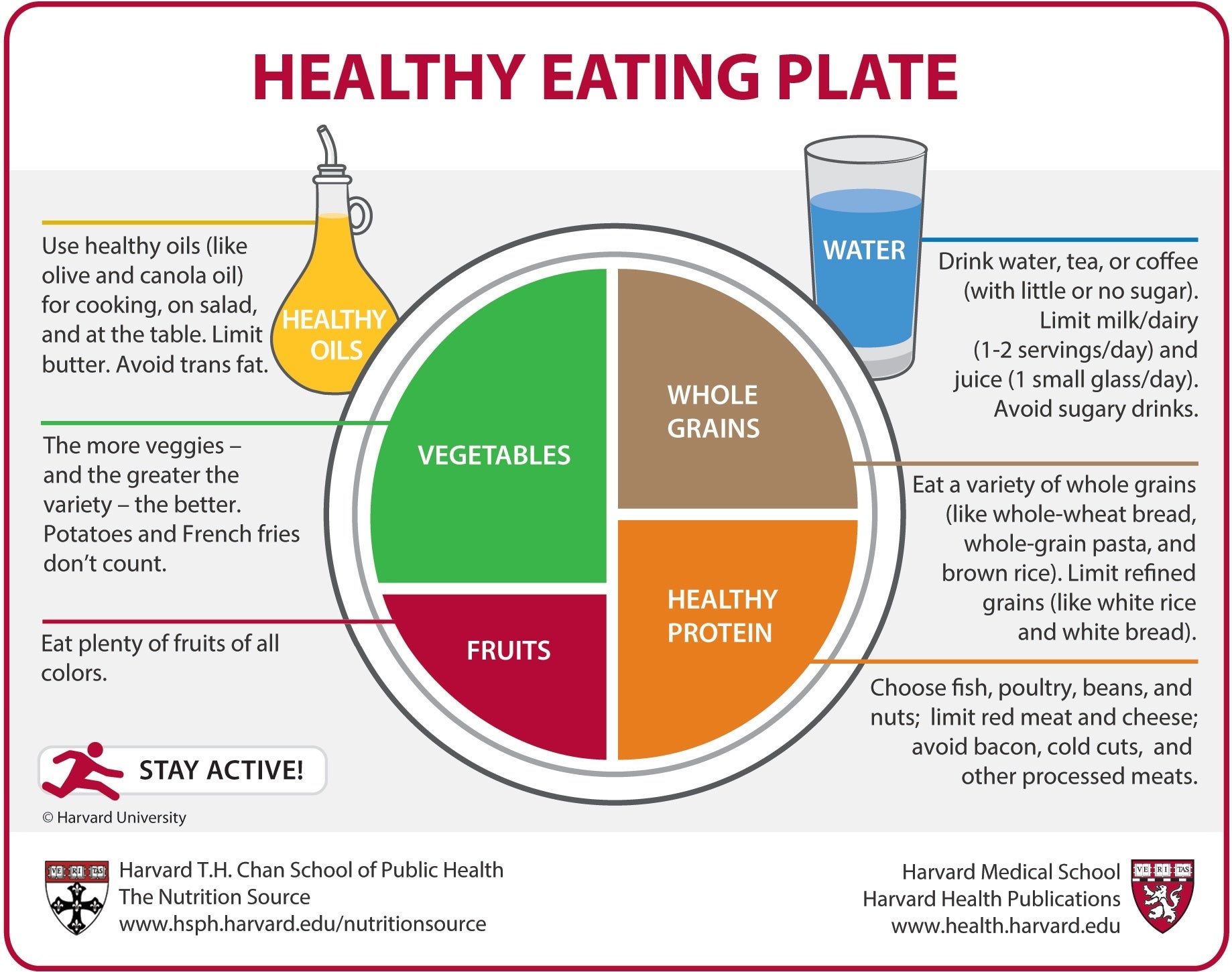
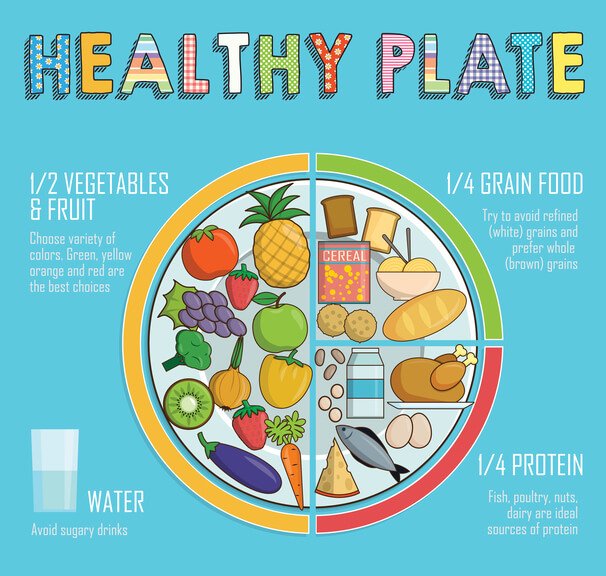
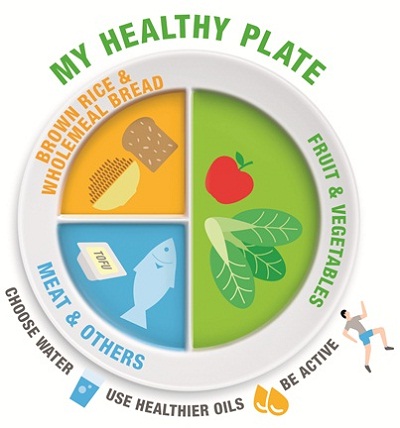
A simple and effective approach is to divide your plate into sections. Half the plate is vegetables and fruits. One quarter is lean protein. One quarter is whole grains or starchy vegetables. Add a small portion of healthy fat. This framework ensures adequate fiber, protein, and complex carbohydrates without requiring precise measurement.
The vegetables and fruits section should be colorful. Different colors indicate different phytonutrients. Orange foods contain beta-carotene. Dark leafy greens contain folate and iron. Red and purple foods contain anthocyanins. Eating a rainbow ensures a broad spectrum of nutrients.
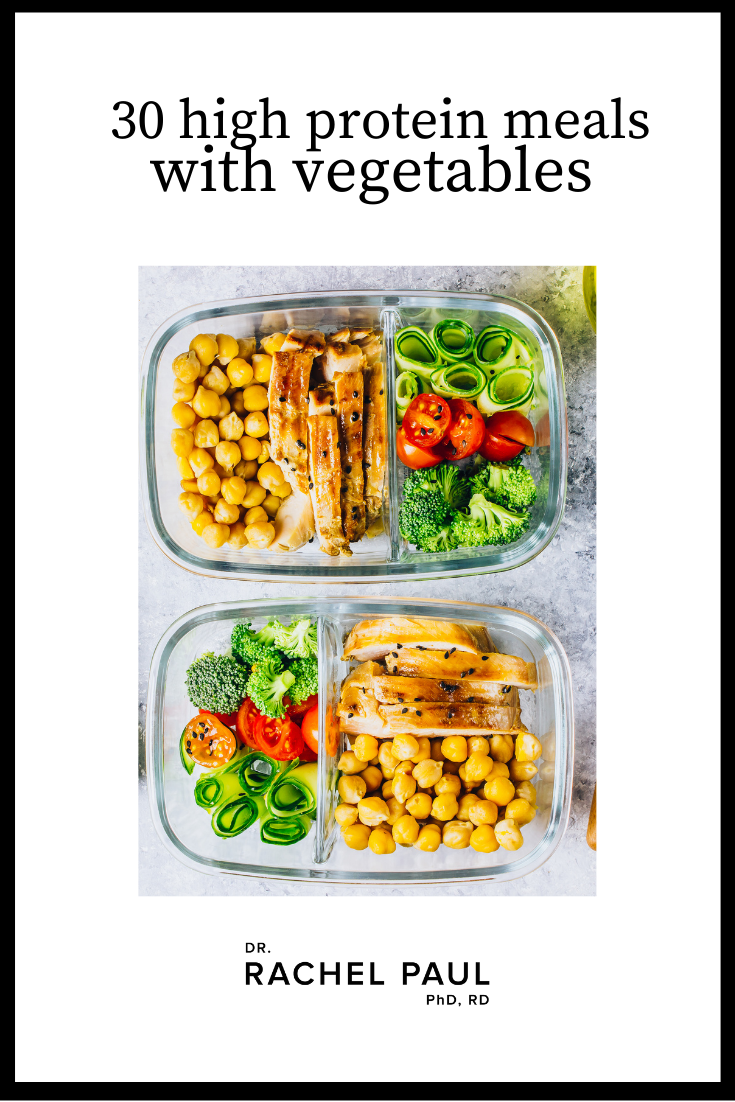
Protein should be varied. Fish, poultry, eggs, legumes, tofu, and lean meats all contribute. Plant proteins like beans and lentils add fiber and are economical. Animal proteins provide complete amino acids and bioavailable nutrients like vitamin B12 and iron.
Whole grains provide sustained energy and fiber. Brown rice, quinoa, oats, whole wheat, and barley are superior to refined grains like white rice and white bread. They digest more slowly, preventing blood sugar spikes and crashes.
Healthy fats support satiety and nutrient absorption. Olive oil, avocado, nuts, seeds, and fatty fish provide omega-3 fatty acids and other beneficial compounds. The key is moderation, as fats are calorie-dense.
Understanding Macronutrients and Their Roles
Macronutrients, protein, carbohydrates, and fat, are the building blocks of nutrition. Understanding their roles helps you make informed choices.
Protein: The Satiety Nutrient
Protein is essential for muscle maintenance, enzyme production, immune function, and hormone synthesis. It is also the most satiating macronutrient. Meals higher in protein keep you full longer and reduce overall calorie intake.
Adequate protein intake supports weight management by preserving lean muscle mass during calorie reduction. It also has a higher thermic effect than carbohydrates or fat, meaning your body burns more calories digesting it.
Good protein sources include chicken, turkey, fish, eggs, Greek yogurt, cottage cheese, tofu, tempeh, lentils, beans, and quinoa. Aim to include a protein source at every meal and snack.
I noticed the biggest improvement in my energy and hunger when I increased my protein intake at breakfast. Switching from cereal to eggs or Greek yogurt transformed my morning from a blood sugar roller coaster to sustained focus.
Carbohydrates: The Energy Source
Carbohydrates are the body’s preferred energy source. The key is choosing the right types. Complex carbohydrates from whole grains, vegetables, and legumes provide sustained energy and fiber. Simple carbohydrates from refined grains and added sugars cause rapid spikes and crashes.
Fiber is a type of carbohydrate that the body cannot digest. It slows digestion, supports gut health, helps control blood sugar, and reduces cholesterol. Most adults consume far less fiber than recommended. Increasing fiber through vegetables, fruits, whole grains, and legumes is one of the most impactful dietary changes you can make.
Fat: The Essential Nutrient
Dietary fat is essential for hormone production, brain function, nutrient absorption, and cell membrane integrity. The type of fat matters. Monounsaturated fats from olive oil and avocados support heart health. Polyunsaturated fats from nuts, seeds, and fish provide essential fatty acids. Saturated fats from animal products should be moderated. Trans fats from processed foods should be avoided entirely.
The fear of fat that dominated nutrition advice for decades was misguided. Fat does not make you fat. Excess calories make you fat. And fat is essential for health, satiety, and the enjoyment of food.
Micronutrients: The Hidden Heroes
While macronutrients get attention, micronutrients, vitamins and minerals, are equally critical for health.
Key Vitamins and Their Sources
-
Vitamin A: Supports vision and immune function. Found in sweet potatoes, carrots, spinach, and liver.
-
B Vitamins: Support energy metabolism and nervous system function. Found in whole grains, meat, eggs, and legumes.
-
Vitamin C: Supports immune function and collagen synthesis. Found in citrus, bell peppers, strawberries, and broccoli.
-
Vitamin D: Supports bone health and immune function. Found in fatty fish, egg yolks, and sunlight exposure.
-
Vitamin E: Acts as an antioxidant. Found in nuts, seeds, and vegetable oils.
-
Vitamin K: Supports blood clotting and bone health. Found in leafy greens and fermented foods.
Key Minerals and Their Sources
-
Iron: Essential for oxygen transport. Found in red meat, spinach, lentils, and fortified cereals.
-
Calcium: Essential for bone health. Found in dairy, fortified plant milks, leafy greens, and sardines.
-
Magnesium: Supports muscle and nerve function. Found in nuts, seeds, whole grains, and dark chocolate.
-
Zinc: Supports immune function and wound healing. Found in meat, shellfish, legumes, and seeds.
-
Potassium: Supports blood pressure regulation. Found in bananas, potatoes, avocados, and leafy greens.
The best way to ensure adequate micronutrient intake is to eat a diverse diet rich in whole foods. Supplements can fill specific gaps but should not replace food-based nutrition.


Building Nutrition-Focused Meals
Here are practical strategies for constructing meals that deliver genuine nutrition and satisfaction.
Breakfast That Fuels Your Morning
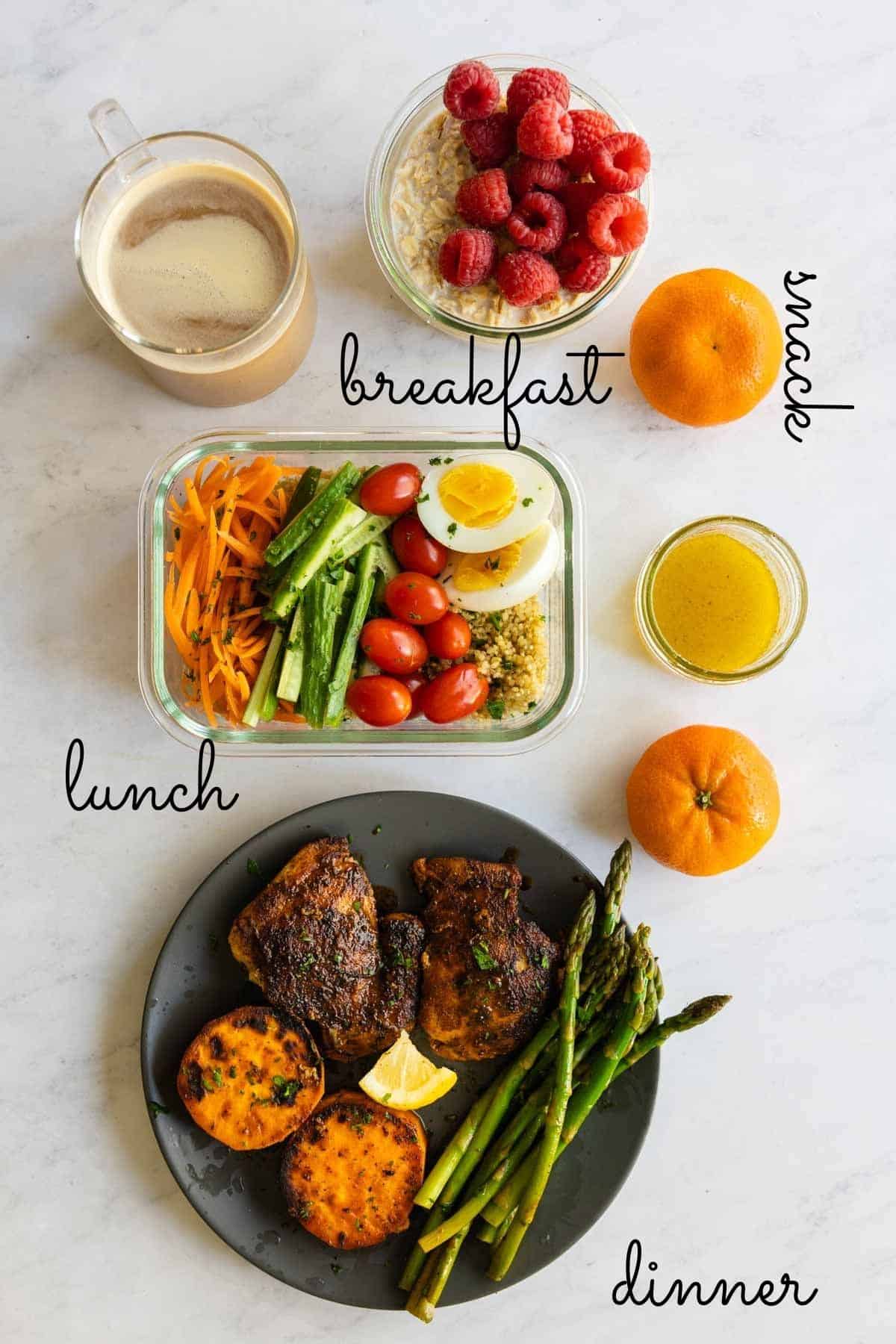
A nutritious breakfast sets the tone for your entire day. The ideal breakfast contains protein, complex carbohydrates, and healthy fat.
-
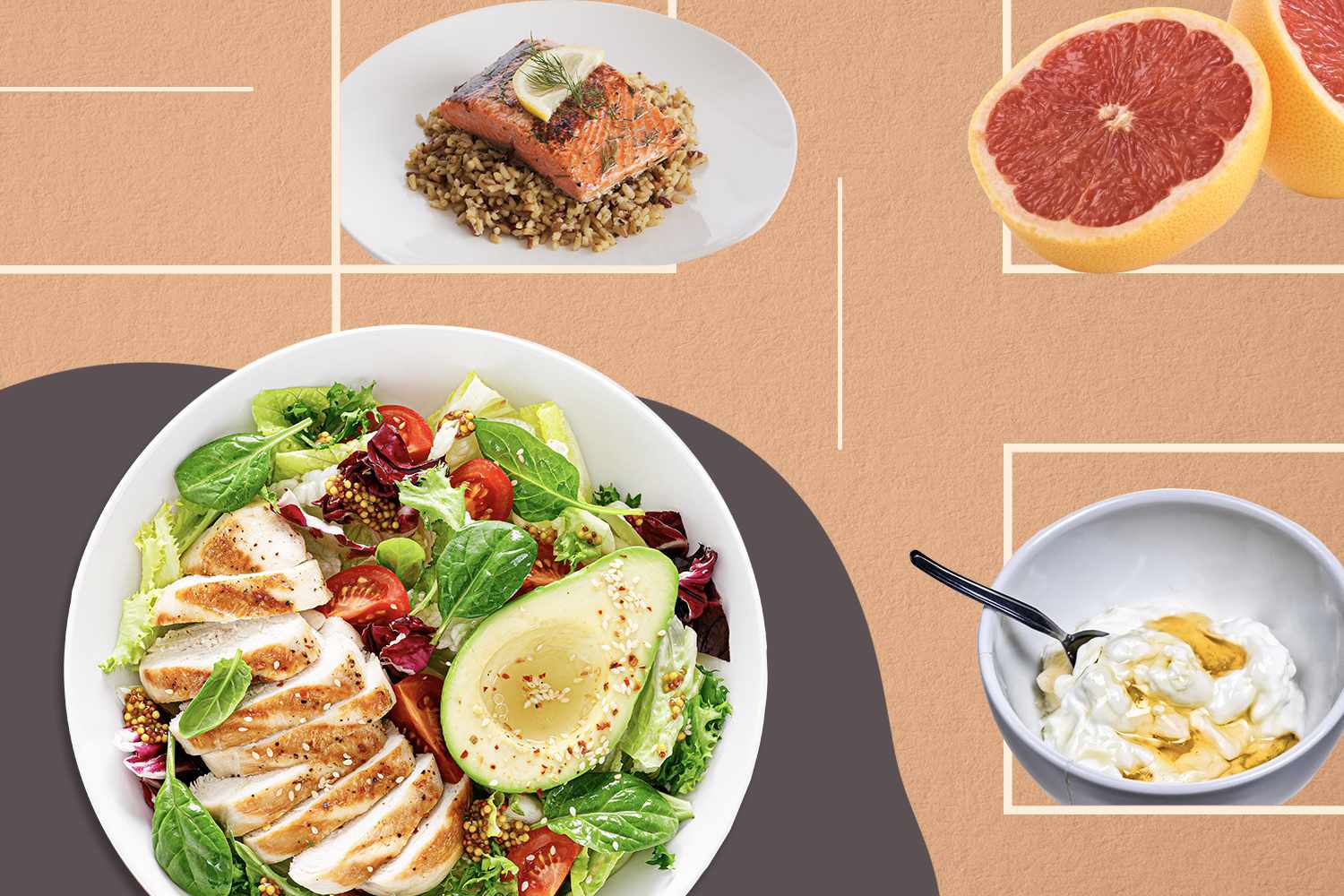
Greek yogurt with berries, nuts, and a drizzle of honey
-
Oatmeal cooked with milk, topped with sliced banana and peanut butter
-
Eggs scrambled with vegetables and whole grain toast
-
Smoothie with protein powder, spinach, frozen fruit, and flaxseed
-
Whole grain toast with avocado and a poached egg
Avoid breakfast cereals and pastries that provide refined carbohydrates without adequate protein or fiber. They may satisfy briefly but lead to mid-morning hunger and energy crashes.
Lunch That Sustains Your Afternoon
Lunch should be substantial enough to carry you through the afternoon without relying on caffeine or snacks.
-
Grain bowl with quinoa, roasted vegetables, grilled chicken, and tahini dressing
-
Lentil soup with whole grain bread and a side salad
-
Turkey and avocado wrap with plenty of vegetables
-
Salmon salad with mixed greens, chickpeas, and olive oil vinaigrette
-
Leftover stir-fry with brown rice and plenty of vegetables
The key is adequate protein and fiber to maintain satiety. A salad with only lettuce and dressing will leave you hungry. A salad with protein, beans, nuts, and a substantial dressing will sustain you.
Dinner That Nourishes and Satisfies
Dinner is an opportunity to load up on vegetables and wind down with a satisfying meal.
-
Grilled fish with roasted vegetables and sweet potato
-
Stir-fry with tofu, broccoli, peppers, and brown rice
-
Bean and vegetable chili with a side of cornbread
-
Chicken thighs braised with tomatoes, olives, and whole wheat couscous
-
Pasta with lentil Bolognese and a large side salad
Keep dinner balanced but not overly heavy. Large, high-fat meals late in the evening can disrupt sleep. Aim to finish eating two to three hours before bedtime.
Snacks That Support, Not Sabotage
Nutritious snacks bridge gaps between meals without derailing your nutrition.
-
Apple slices with almond butter
-
Hummus with carrot and cucumber sticks
-
A handful of nuts and a piece of fruit
-
Cottage cheese with pineapple
-
Hard-boiled eggs with cherry tomatoes
Avoid snacks that are purely refined carbohydrates or sugar. They provide temporary energy followed by crashes and cravings.
Meal Prep for Nutrition-Focused Eating
Preparation is the bridge between intention and execution. These strategies make nutritious eating practical for busy lives.
Batch Cooking Proteins
Cook a large batch of chicken, hard-boiled eggs, or tofu at the beginning of the week. Having protein ready to add to meals eliminates the most common barrier to balanced eating.
Pre-Chopping Vegetables
Wash and chop vegetables when you bring them home from the store. Ready-to-use vegetables are far more likely to end up in your meals than ones that require prep when you are already hungry.
Cooking Grains in Bulk
Cook a pot of brown rice, quinoa, or farro on Sunday. Portion into containers for easy assembly throughout the week. Grains keep well and form the base of countless quick meals.
Preparing Overnight Options
Overnight oats, chia pudding, and mason jar salads can be prepared the night before for grab-and-go convenience. These options eliminate the morning rush excuse for skipping breakfast or lunch.
Freezing for Future Use
Soups, stews, curries, and casseroles freeze beautifully. Make double batches and freeze portions for nights when cooking feels impossible. Homemade frozen meals are healthier and cheaper than commercial alternatives.

Common Mistakes in Healthy Eating
Even well-intentioned nutrition efforts can go wrong. Here are the most frequent pitfalls.
Focusing on Calories Over Quality
Not all calories are equal. Two hundred calories of almonds and two hundred calories of soda affect your body differently. The almonds provide protein, fiber, and healthy fats. The soda provides sugar and nothing else. Nutrient density matters more than calorie count.
Eliminating Entire Food Groups
Unless medically necessary, eliminating carbohydrates, fats, or other macronutrients is usually counterproductive. Each plays an essential role. The goal is balance and quality, not elimination.
Relying on Processed “Health” Foods
Protein bars, green juices, and gluten-free snacks are often marketed as healthy but can be highly processed and sugar-laden. Whole foods are almost always superior to packaged health products.
Eating the Same Foods Repeatedly
Nutritional diversity matters. Eating the same healthy foods every day may provide adequate macronutrients but can lead to micronutrient gaps. Rotate your proteins, vegetables, and grains to ensure a broad spectrum of nutrients.
Ignoring Portion Sizes
Even nutritious foods contain calories. Nuts, olive oil, and avocado are healthy but calorie-dense. Learn appropriate portions and listen to your body’s hunger cues rather than eating mindlessly.
Skipping Meals
Skipping meals, especially breakfast, often leads to overeating later and blood sugar instability. Regular, balanced meals support consistent energy and reduce cravings.
Practical Tips for Sustainable Nutrition
Here are habits that make nutrition-focused eating a lasting part of your life.
Cook at home more often. Restaurant meals are typically higher in calories, sodium, and fat than home-cooked equivalents. Even simple home cooking usually produces more nutritious results.
Read labels critically. Look beyond marketing claims. Check serving sizes, added sugars, sodium content, and ingredient lists. The shorter the ingredient list, the better.
Hydrate intentionally. Thirst is often mistaken for hunger. Drink water throughout the day. Herbal teas and sparkling water can add variety without calories.
Eat mindfully. Pay attention to your food. Chew thoroughly. Notice flavors and textures. Stop when satisfied, not stuffed. Mindful eating improves digestion and prevents overeating.
Plan for challenges. Travel, social events, and busy periods will disrupt your routine. Have a plan for maintaining nutrition during these times. Portable snacks, restaurant strategies, and flexible meal ideas help.
Forgive imperfection. One indulgent meal or missed workout does not negate your efforts. Nutrition is a long-term pattern, not a daily test. Return to your habits without guilt or compensation.
Seek professional guidance when needed. Registered dietitians can provide personalized advice for specific health conditions, athletic goals, or complex situations. General advice is helpful, but individualized guidance is sometimes essential.
Frequently Asked Questions
How much protein do I need daily?
The general recommendation is 0.8 grams per kilogram of body weight for sedentary adults. Active individuals, older adults, and those building muscle may benefit from 1.2 to 1.6 grams per kilogram. Spread protein intake across meals for optimal utilization.
Are carbohydrates bad for you?
No. Carbohydrates are essential for energy. The key is choosing complex carbohydrates from whole grains, vegetables, and legumes rather than refined carbohydrates from sugar and white flour. Quality and quantity both matter.
Can I eat healthy on a budget?
Absolutely. Whole grains, dried beans, eggs, frozen vegetables, and seasonal produce are affordable and nutritious. Processed health foods and premium ingredients are optional, not essential.
Is organic produce necessary?
Organic produce reduces pesticide exposure but is not essential for nutrition. Prioritize organic for the “dirty dozen” fruits and vegetables with the highest pesticide residues. Conventional produce is still nutritious and often more affordable.
How do I handle social situations while eating nutritiously?
Plan ahead. Eat a small, balanced snack before events to reduce hunger-driven choices. Focus on vegetables, protein, and whole grains at the event. Allow yourself moderate indulgences without guilt. One meal does not define your diet.
What about supplements?
A diverse, whole-foods diet should provide most nutrients. Supplements can help with specific deficiencies, limited sun exposure for vitamin D, or dietary restrictions. Consult a healthcare provider before starting supplements.
How quickly will I feel better after improving my nutrition?
Some benefits, like stable energy and reduced hunger, may appear within days. Others, like weight changes and metabolic improvements, take weeks to months. Long-term health benefits accumulate over years. Patience and consistency are essential.
Final Thoughts
My journey from exhausted dieter to nourished eater took time. It required unlearning the restriction mindset and embracing the abundance of whole, nutritious foods. It required learning to cook with vegetables and legumes rather than relying on processed convenience. It required patience as my body adjusted to sustained energy rather than sugar-fueled spikes.
The result was worth every step. I no longer fear hunger because my meals satisfy me. I no longer dread cooking because I have learned to make nutritious food delicious. I no longer obsess over my weight because my body has found its natural balance through nourishment rather than deprivation.
Nutrition-focused eating is not a diet. It is a relationship with food built on respect, knowledge, and enjoyment. It honors your body’s needs while delighting your senses. It supports your health today and builds your resilience for tomorrow.
Start with one meal. Add one vegetable. Choose whole grain over refined. These small steps, repeated consistently, transform not just your diet but your energy, your mood, and your capacity to engage fully with life. The food you eat becomes the body you live in. Choose wisely, eat well, and thrive.