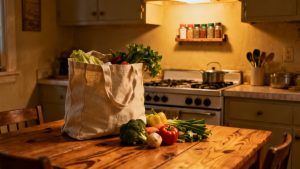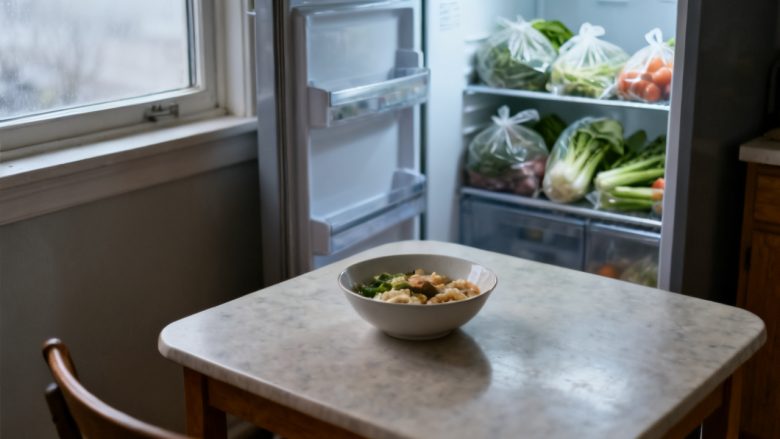
Price-per-plate before you shop
Budget cooking starts at the calculator, not the stove. Before shopping, sketch five dinners and assign rough cost per plate—not to the penny, but enough to catch the $18 impulse steak on a $40 week. Weeknight Pantry’s budget anchor plate often lands near $2.50 to $4.00 when built from rice, beans, seasonal vegetables, and one modest protein stretcher like eggs or ground turkey.
Write the five dinners on an index card: Mon bean tacos, Tue egg fried rice, Wed pasta aglio, Thu lentil soup, Fri oven fries and fish sticks or homemade fish bites. If the list needs six specialty items you do not already own, swap one dinner for a pantry meal using what is on hand. Delicious on a budget is mostly repetition with good seasoning, not daily novelty.
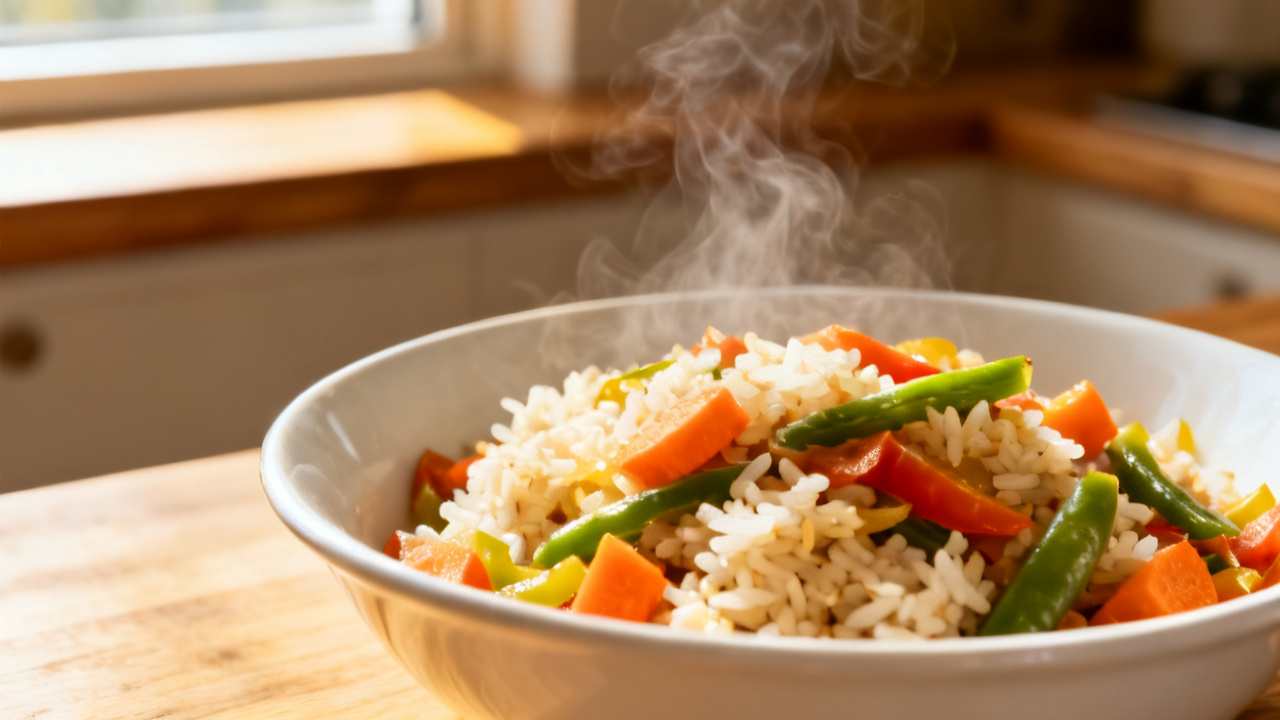
Check unit prices on the shelf tag—per ounce or per hundred grams—not package front graphics. Store brands for canned tomatoes, beans, and pasta routinely perform the same in blind home tests for half the cost of national labels in many markets.
The flavor triangle on a budget
Flat budget food usually misses one leg of the flavor triangle: fat, acid, salt. Not all three at luxury levels—just enough to register.
- Fat: A spoon of olive oil or butter at the finish beats none; a little sesame oil at the end of fried rice transforms leftovers.
- Acid: Lemon juice, vinegar, pickle brine, or yogurt drizzle wake up beans and grains cost pennies per serving.
- Salt: Salt in the cooking water for pasta and potatoes; taste before serving; a pinch at the end often fixes bland faster than more cheese.
Keep one hot sauce and one vinegar you like on the counter. Visibility increases use; buried condiments expire quietly and waste money.
Pantry proteins that stretch
Meat as flavor rather than center-of-plate stretches further:
- Eggs — dinner omelets, fried rice, shakshuka with canned tomatoes.
- Canned beans — rinse unless recipe needs starchy liquid; mash half for creamier texture in tacos.
- Lentils — dry lentils cook in 25 to 30 minutes without soaking; red lentils dissolve into thick soup.
- Ground meat in half portions — ½ lb beef plus extra beans in chili feeds four as well as 1 lb alone used to.
- Canned tuna or salmon — pasta, patties, rice bowls; watch sales and stock modestly.
Rotate proteins so no single nutrient story dominates—this is about palate and budget, not medical advice. If your household prefers meat-forward plates, choose one night weekly for that and keep other nights plant-heavy by default.
Seasonal swaps that actually save money
Cabbage, carrots, onions, and potatoes stay cheap most of year and carry strong flavors when treated with respect—roasted until edges char, shredded into slaw with vinegar, sliced into stir-fry. When berries are expensive, dessert is baked apples with cinnamon and a crumble topping of oats, butter, and sugar. When fresh tomatoes are watery and costly, canned whole tomatoes beat sad fresh ones in sauce.
Learn one vegetable’s peak season in your region and lean in when price drops—corn in summer, squash in fall, citrus in winter for brightness over dull imports. Frozen vegetables are often the budget win in off-season; stir into pasta, fried rice, and soups without apology.
Swap is not sacrifice if cooking method changes: cheap cauliflower roasted with paprika and oil tastes celebratory; boiled cauliflower without seasoning tastes like punishment.
One splurge ingredient rule
Budget fatigue kills consistency. Allow one splurge ingredient per week under ten dollars—fresh basil, good parmesan wedge, spicy sausage half-pound, jar of marinated artichokes. The splurge rotates meals emotionally so they feel cared for, not merely cheap.
Splurge items must appear in at least two meals to justify cost: basil on pasta Monday and in egg scramble Wednesday; parmesan grated over soup and salad. Single-use luxury ingredients violate the rule and return you to resentment of rice-and-beans night.
If the week is truly tight, splurge becomes a technique instead of an item: slow caramelized onions, toasted spices in a dry pan, crispy garlic chips in a little oil. Time costs nothing but attention.
Budget dinners that still feel intentional
Presentation signals effort: eat at the table, one garnish, plates instead of standing at the counter. Lentil soup with lemon and yogurt in a real bowl with bread on a board feels like dinner. Same soup from a mug over the sink feels like defeat even when ingredients identical.
Three Weeknight Pantry budget plates that repeat well:
- Crispy chickpea rice bowl — canned chickpeas patted dry, pan-crisped in oil, over rice with cucumber and yogurt sauce.
- Pasta with garlic, oil, and frozen peas — pasta water emulsifies sauce; pea sweetness carries the plate.
- Sheet-pan sausage and cabbage — half pound sausage sliced, wedge cabbage cut in thick strips, caraway if you have it, roast at 425°F until edges brown.
Budget deliciousness is seasoning plus one textural contrast—crunch on soft, acid on rich—not expensive protein every night.
Pantry sale cycles worth watching
Canned tomatoes, beans, pasta, and rice go on predictable sale rotations in most supermarkets—often paired with holiday weekends or back-to-school seasons. When a staple you use monthly hits half price, buy two to four units, not a warehouse pallet that expires before you cook it. Weeknight Pantry keeps a short stock-up list on the phone notes app: items that freeze or shelf-stable for a year, maximum quantity, last paid price. That list prevents both panic full-price buying and garage full of rice nobody eats.
Compare cost per serving after cooking, not package front. A two-dollar increase on ground meat hurts less when the chili feeds six with beans than when the same meat serves two as plain burgers. Stretch recipes are budget recipes even when individual ingredient prices rise.
When fresh produce is cheap in season, cook once and freeze portions—tomato sauce in summer, soup stocks in fall—so winter weeks inherit summer prices. Freezer space is part of budget strategy, not only convenience strategy.
Pick three anchor ingredients this week
Choose three cheap anchors you already like—rice, eggs, canned black beans, pasta, potatoes—and build five dinners only from those plus fresh produce and one splurge. Do not redesign the whole pantry at once.
Track one week’s grocery receipt total against how many home dinners happened. The number that matters is cost per home dinner eaten, not cart size at checkout. Weeknight Pantry budget cooking is repeatable plates with honest flavor, not imitation of restaurant menus on a shoestring.