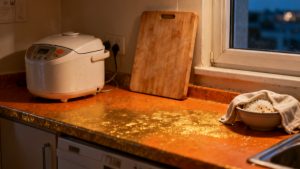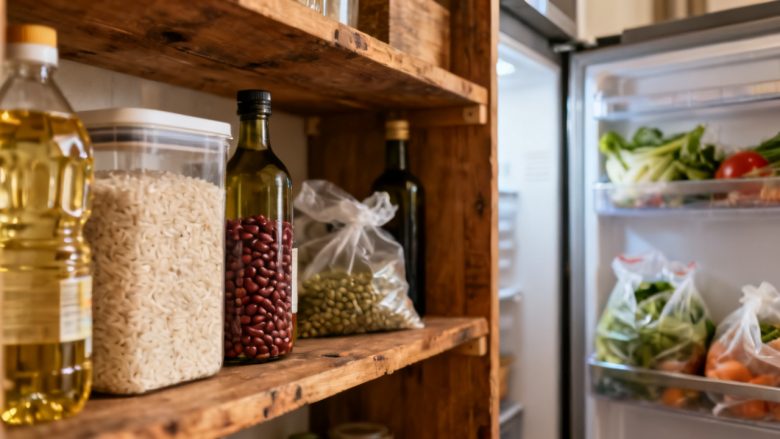
The Friday fridge audit
Food waste usually announces itself before it rots—you just have to look on purpose. Every Friday before the main grocery run, pull everything forward on the shelves and ask one question per item: Will we eat this in the next four days? If yes, leave it. If maybe, move it to an Eat First shelf at eye level. If no, freeze, cook tonight, or compost without guilt after honest assessment.
Meal Prep Tips to Reduce cook card
Use this five-line card with the steps below. Illustrative checklist for this topic only.
- Preheat or boil water before you chop
- Salt the main pot once, taste at the end
- Keep one backup sauce (soy, salsa, or yogurt)
- Plate leftovers before you sit down
- Anchor the plate around meal
The audit takes eight to ten minutes and prevents the Sunday discovery of slimy herbs and forgotten yogurt tubs. Write three Eat First items on a sticky on the fridge door. Monday lunch and Tuesday dinner should pull from that list before anything new opens. Treat the sticky like a tiny menu imposed by last week’s you—a kindness, not a punishment.
Include the crisper drawers, not just the main shelf. Most waste hides in humidity drawers where optimism goes to wilt. If you repeatedly toss the same item—bagged salad, perhaps—buy less of it or switch to heartier greens like kale that survive a week when stored dry in a container with a paper towel.
Cook once, dress twice
Plain bases stretch further than fully finished meals that nobody wants twice. Roast a sheet pan of mixed vegetables with salt and oil only—no cumin on half if half the household hates cumin. Night one: half the veg over rice with soy sauce and an egg. Night two: same veg in tortillas with cheese and salsa. Same prep, different identity.
Chicken breast or thighs poached or roasted without heavy sauce become salad toppers, sandwich filling, and fried-rice protein across three days. Store the protein whole and slice or shred at use time so it stays moist. Dressings live separately in small jars; soggy pre-dressed salads are a top reason people swear off meal prep.
Grain rule: cook 2 cups dry rice or quinoa midweek maximum unless you have four eaters. Cooked grains sour faster than roasted vegetables. A half-batch more often beats a giant tub that smells off by day five.
Herb and produce rescue tray
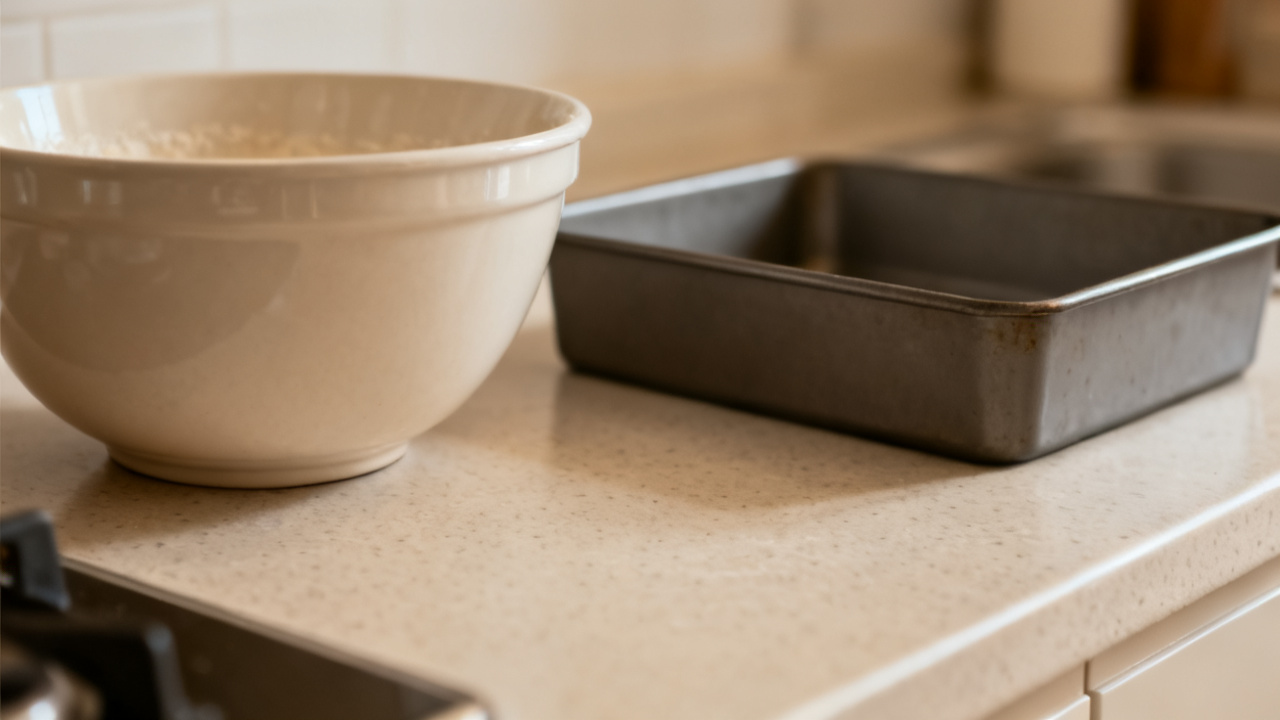
Designate one rimmed baking sheet as the rescue zone. Herbs going soft, half an onion, cherry tomatoes splitting, one lonely bell pepper—all get chopped and tossed with oil on the sheet. Roast at 425°F until edges color; now they are a topping, a pasta mix-in, or an omelet filling instead of landfill.
Soft fruit—berries, peaches, bananas speckled brown—goes into a freezer bag for smoothies or a quick compote with a spoon of sugar and lemon juice simmered ten minutes. Bread heels become croutons: cube, toss with oil and garlic powder, bake until crisp. Stale is not trash; stale is a different recipe category.
Keep rescue sessions small. One sheet, twenty minutes, once a week. If rescue becomes a marathon, you are buying too far ahead of your appetite or not running the Friday audit.
Portion math without a scale obsession
Approximate portions beat perfect portions you never eat. For adults, think 1 cup cooked grain, 1 to 1½ cups vegetables, palm-sized protein per lunch box unless you know you need more after exercise or physical work. Pack one extra snack piece—fruit or nuts—so hunger does not drive convenience-store purchases that waste money and packaging.
When cooking for two, recipe serves four often means lunch leftovers for two days, not doubling dinner forever. Split the batch at the pot: half for tonight’s plates, half into containers before you sit down. Food portioned at the stove survives; food left in the serving dish disappears to nibbles and then still gets thrown out half eaten.
Kids’ portions: pack smaller containers they can finish; unfinished school lunch coming home is data—reduce volume next time rather than arguing at the table.
Leftover lunch boxes that reheat cleanly
Not everything reheats well in a microwave at the office. Prefer:
- Stews and chili — improve overnight; add splash of water before heating.
- Grain bowls — grain and protein together; sauce in a nested leakproof mini container.
- Pasta with oil-based sauces — fine reheated; cream sauces often break—pack those for home reheat on stovetop if possible.
Invest in one glass or BPA-free container with a vented lid for microwave jobs; splatter slows office kitchen cleanup and keeps coworkers friendly. Label your name; unlabeled containers walk away in shared fridges.
If reheating is unreliable at work, pack meals that taste good cold: grain salads, wrap fillings in separate bags, bean salads with vinaigrette. Cold lunch is not failure—it is infrastructure.
Compost is the last resort, not the plan
Composting feels virtuous but still wastes the money and fuel that grew the food. Use compost for peels, coffee grounds, and the rare item that truly failed—not for whole forgotten packages you never planned to eat. When the same vegetable repeatedly composts whole, remove it from the list for a month and study whether the problem is volume, storage, or recipe boredom.
Track one number weekly if you want motivation without spreadsheets: count of full containers thrown away. Target downward trend, not zero perfection. Families with unpredictable schedules will always waste some food; the goal is halving the shameful tub of fuzzy leftovers, not achieving monastery levels of efficiency.
Share surplus with neighbors or coworkers when safe and appropriate—a jar of soup you will not eat beats throwing it away. Waste reduction is partly cooking skill and partly honest shopping; meal prep connects the two only when you prep what you actually like eating twice.
One waste metric to track for a month
Pick either Eat First sticky compliance or containers tossed weekly—not both at first. Run the Friday audit four Fridays in a row before buying new storage gadgets. Gadgets do not fix buying three bunches of cilantro for one recipe.
Weeknight Pantry meal prep is designed to reduce waste by making leftovers desirable: plain bases, sauces on the side, rescue tray once a week. Start there; adjust portions when the trash tells you the truth.