Start with familiar formats, not substitutes
Beginners often fail plant-based cooking by leaping to meat substitutes that taste unlike anything the household already accepts. Weeknight Pantry recommends starting with formats people know: tacos, pasta, stir-fry, soup, rice bowls. Remove meat; increase beans, lentils, or tofu; keep sauces familiar. A bean taco with the same salsa and cheese your family already likes registers as Tuesday, not dietary experiment.
Substitute products have their place later—after you have three reliable bean and lentil dinners rotating. Early wins build repetition; early weirdness builds takeout orders. Familiar format is the Trojan horse for new ingredients.
Talk about meals as what we are having, not what we are not having. Language shapes resistance especially with kids. Chickpea curry is dinner; it is not apology for missing chicken unless you frame it that way at the table.
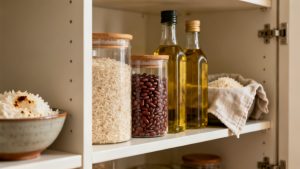
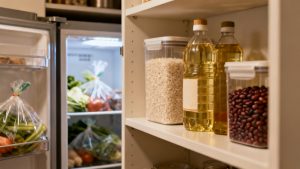
Stock olive oil, garlic, canned beans, rice, and one spice blend you already like before buying specialty meat substitutes. Substitutes can wait until three bean dinners rotate successfully—usually week three or four, not day one.
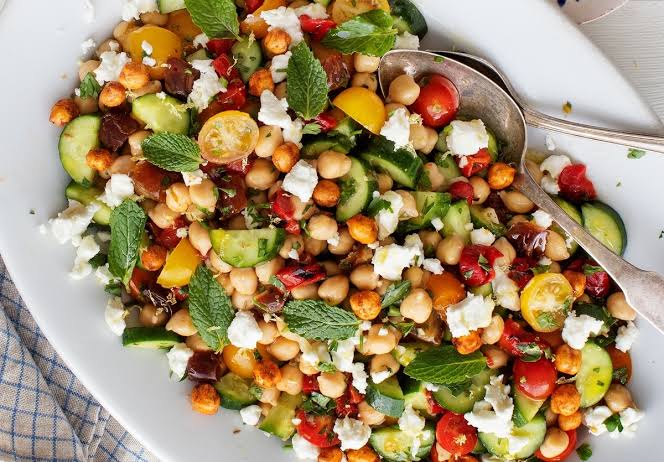
Chickpea pantry trio for week one
Three chickpea dinners use one canned staple differently:
- Roasted chickpea bowls — 2 cans rinsed, dried well, tossed with oil and spice, roasted 425°F 25 min until crisp; serve over rice with cucumber and yogurt.
- Chickpea pasta sauce — Sauté garlic, add 1 can crushed tomatoes, 1 can whole chickpeas smashed partially, simmer 15 min; toss with pasta.
- Chickpea salad sandwiches — Mash 1 can with mayo or yogurt, celery, lemon, salt; sandwich or lettuce cups.
Buy four cans for the week; one backup for emergency lunch. Chickpeas survive pantry neglect and forgive slow cooks—ideal beginner protein.
Building a satisfying plate without meat
Satisfaction usually needs protein + fat + chew. Plain steamed vegetables with rice leaves anyone hungry an hour later—not because plants failed, because the plate lacked heft.
- Protein: beans, lentils, tofu, tempeh, nuts on top
- Fat: olive oil finish, avocado slices, tahini drizzle, small cheese portion if not vegan
- Chew: roasted textures, toasted seeds, crisp vegetables raw on top of warm base
Example plate: quinoa, roasted sweet potato cubes, black beans, salsa, pumpkin seeds, lime. Each element adds a different mouthfeel; together they read as dinner, not side dish pile.
Half-plate vegetables is a visual guide, not a measuring obsession—eyeball works when vegetables taste good. Roasted beats steamed for beginner acceptance almost every time.
Texture tricks beginners overlook
Mushy is the enemy of beginner plant-based meals. Fixes:
Press tofu ten minutes between towels with a plate weight; then pan-fry or bake until golden. Unpressed tofu spooks newcomers with softness.
Roast vegetables until edges brown—not steam until gray. Same broccoli roasted versus boiled is two different foods psychologically.
Toast grains in dry pan before simmering in water for nuttier rice and quinoa. Small step, large perception shift.
Keep something crisp on top: shredded cabbage, pickle, toasted nuts. Contrast sells the plate.
One-pot lentils when you are tired
Red or brown lentils need no soaking. Weeknight default: 1 cup dry lentils, rinsed; 1 onion chopped; 2 carrots diced; 3 cups broth or water; 1 can diced tomatoes; cumin, garlic, salt; simmer 25 to 30 minutes until tender. Stir spinach or kale in last 3 minutes if you have it.
Serve with bread or over rice; squeeze lemon at table. Leftovers thicken—add water when reheating. Lentils are cheap, forgiving, and absorb spice well—ideal tired-night insurance when chickpea creativity expires.
If lentils scorch, bottom layer is lost but top is usually salvageable—scoop gently, add water to pot, do not scrape burnt layer into mix. Beginners think one burn ruins the experiment; experienced cooks know burn is localized if caught early.
When soy or beans feel boring
Rotation beats doubling down. If bean fatigue hits, shift geography of spice for one week: taco seasoning, then curry spices, then Italian herbs on same chickpea base. Palate boredom is often monotony of flavor profile, not ingredient itself.
Introduce one new plant protein monthly—tempeh crumbled in chili, white beans in pasta, edamame in fried rice. Monthly cadence prevents pantry full of unused specialty items and gives each newcomer two tries before judgment.
Pair plant nights with something fun at table—music, build-your-own format, picnic on floor—so the meal carries social memory beyond ingredients. Boring is sometimes context, not recipe.
Beginner tofu stir-fry in twenty minutes
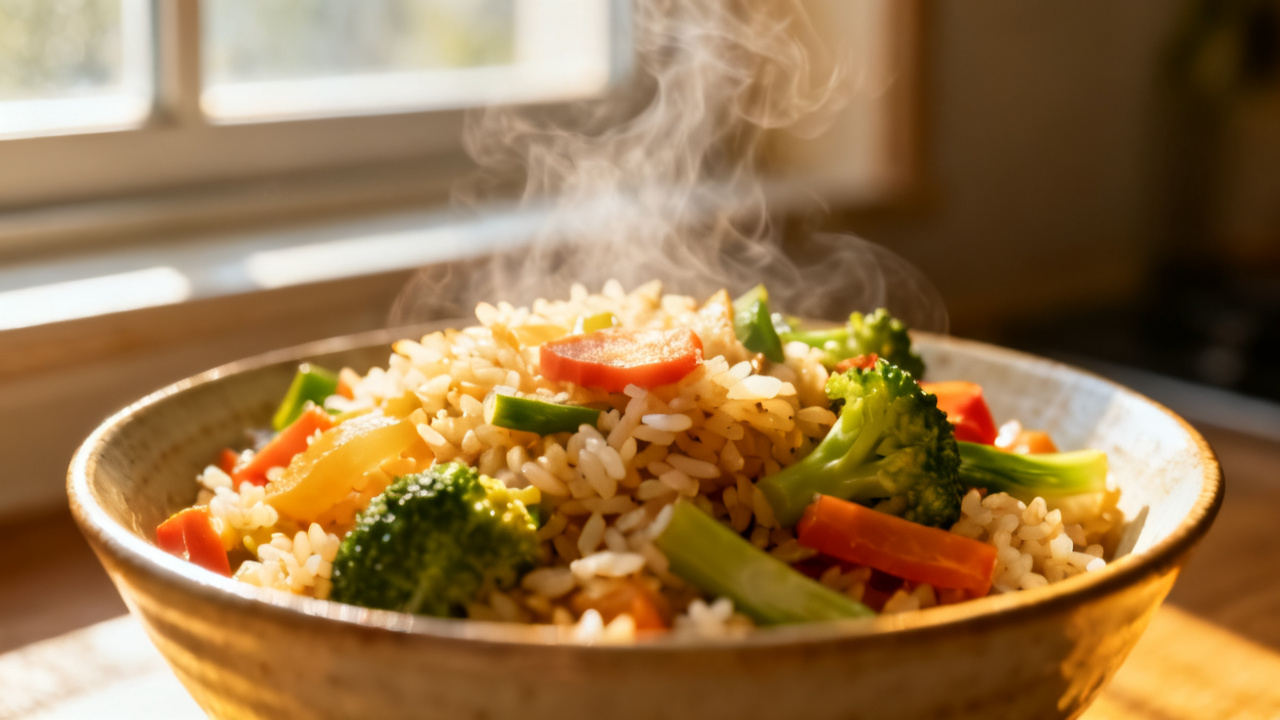
Press 14 oz firm tofu ten minutes, cube, toss with cornstarch lightly optional for crispness. Hot skillet, 2 tbsp oil, tofu until golden on two sides; remove. Same pan: frozen stir-fry vegetables or fresh bell pepper strips, 1 cup broccoli florets; add 2 cloves garlic; return tofu; sauce of 3 tbsp soy sauce, 1 tbsp rice vinegar, 1 tsp sugar, 1 tsp sesame oil, 2 tbsp water. Toss 2 minutes until glossy. Serve over rice.
First tofu attempt should be crispy and saucy, not naked gray cubes in salad—that salad can come later after trust exists. Cornstarch is optional; dry pressing matters more. If tofu sticks, pan was not hot enough or overcrowded; cook in two batches without shame.
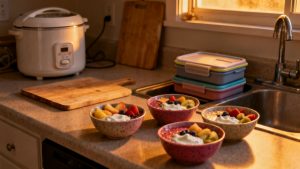
Leftovers reheat in skillet better than microwave, which returns rubber. Lunch tomorrow with extra rice is bonus, not obligation.
Track which plant meals get requested again within two weeks—that repeat request is your personal menu core. Beginners need three repeats before expanding; expansion too early recreates the abandoned recipe graveyard that made meatless cooking feel hard in the first place.
Your first meatless Monday menu
Pick one: chickpea bowls or lentil soup—whichever matches your spice comfort. Shop only for that meal plus rice and lemon. Eat it on a calm night, not the busiest night of the week. Success on easy night earns harder night later.
Plant-based beginner cooking at Weeknight Pantry means familiar plates, crisp textures, and honest fat and protein on the plate—not virtue signaling with steamed boredom. Build three repeats you would gladly eat again before expanding the repertoire. Note which meal got zero complaints; that recipe earns permanent rotation status.