Best Homemade Greek Moussaka Recipe for Family Dinners

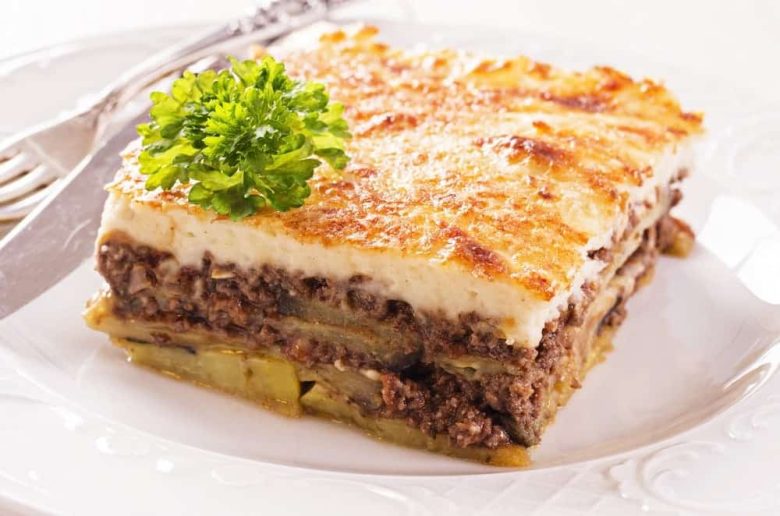
Greek cuisine is known for its comforting flavors, fresh ingredients, and recipes that bring families together around the dinner table. Among its most beloved dishes is moussaka, a hearty baked casserole featuring layers of tender vegetables, richly seasoned meat sauce, and a creamy golden béchamel topping. It’s a meal that feels both comforting and elegant, making it perfect for weekend family dinners, holiday gatherings, or special occasions.

Although homemade Greek moussaka may seem complicated at first glance, it’s actually a straightforward recipe when prepared one step at a time. The secret lies in building flavorful layers and allowing each component to complement the others. The result is a beautifully baked casserole with a creamy top, juicy meat filling, and perfectly tender vegetables.

In this detailed guide, you’ll learn everything you need to know about making authentic homemade Greek moussaka—from selecting the right ingredients and preparing each layer to baking tips, storage advice, and common mistakes to avoid.

What Is Greek Moussaka?

Moussaka is one of Greece’s most famous comfort foods. While there are several regional versions throughout the Mediterranean and the Middle East, the classic Greek version includes:

  • Layers of sliced eggplant
  • Thin potato slices
  • Rich minced meat sauce
  • Creamy béchamel sauce
  • Grated cheese
  • Herbs and spices

The casserole is baked until the top becomes beautifully golden and slightly crisp while the inside remains creamy and flavorful.

Unlike lasagna, moussaka does not use pasta. Instead, vegetables create the layers, giving the dish its distinctive texture and rich flavor.

Why You’ll Love This Recipe

This homemade version offers several advantages over restaurant versions.

  • Authentic Greek-inspired flavor
  • Perfect for feeding a large family
  • Easy to prepare in advance
  • Great for leftovers
  • Freezer-friendly
  • Balanced combination of vegetables, protein, and dairy
  • Rich without being overly complicated

The ingredients are widely available, and each step can be prepared ahead of time to make assembly easier.

Ingredients

For the Vegetable Layers

  • 2 large eggplants
  • 3 medium potatoes
  • Olive oil
  • Salt
  • Black pepper

For the Meat Sauce

  • 2 tablespoons olive oil
  • 1 large onion, finely chopped
  • 3 garlic cloves, minced
  • 1 pound (450 g) ground lamb or ground beef
  • 1 can crushed tomatoes
  • 2 tablespoons tomato paste
  • ½ cup beef broth
  • 1 teaspoon dried oregano
  • ½ teaspoon cinnamon
  • ½ teaspoon ground allspice
  • Salt and pepper
  • Fresh parsley

For the Béchamel Sauce

  • 4 tablespoons butter
  • 4 tablespoons all-purpose flour
  • 4 cups warm milk
  • 2 egg yolks
  • ½ cup grated Parmesan or Kefalotyri cheese
  • Nutmeg
  • Salt
  • Pepper

Optional Garnishes

  • Fresh parsley
  • Extra grated cheese
  • Cracked black pepper

Kitchen Equipment

You don’t need professional equipment to make moussaka successfully.

Prepare the following:

  • Sharp knife
  • Cutting board
  • Baking tray
  • Large skillet
  • Saucepan
  • Whisk
  • 9×13-inch baking dish
  • Mixing bowls
  • Measuring cups
  • Cooling rack

Preparing the Eggplant

Eggplant forms one of the signature layers in Greek moussaka.

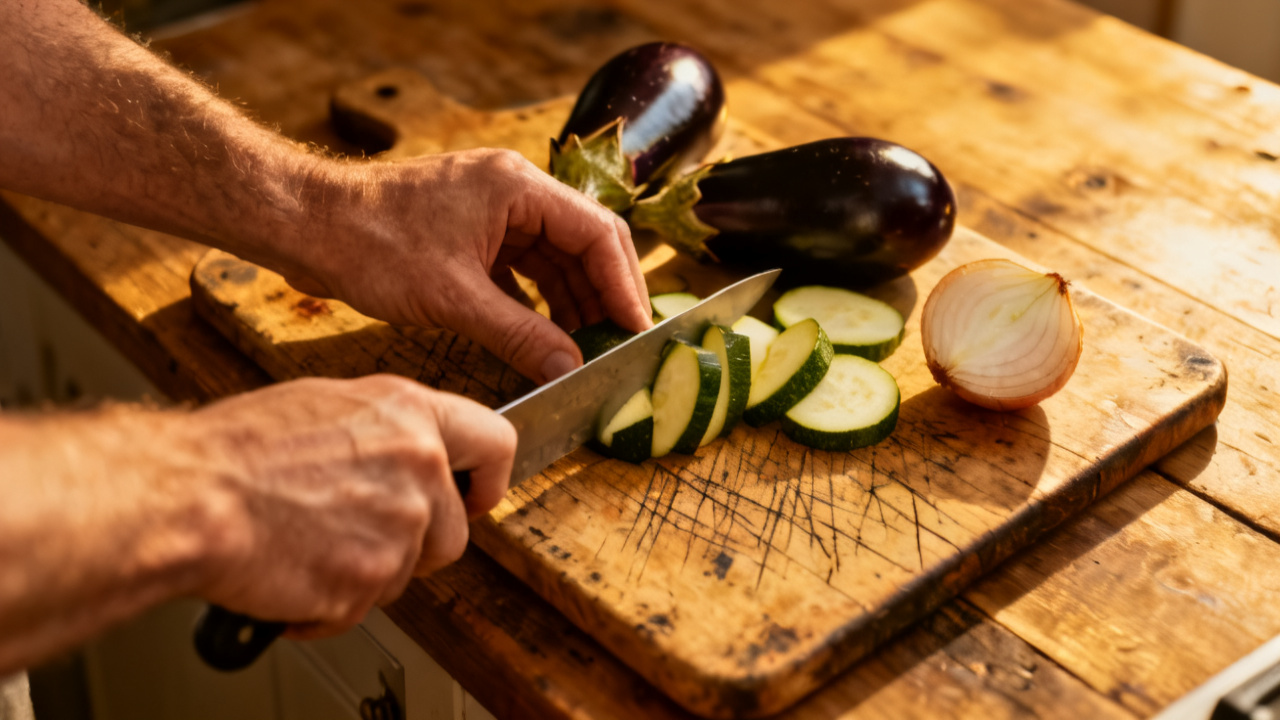
Wash and slice the eggplants into approximately ¼-inch thick rounds.

Sprinkle both sides lightly with salt and allow them to rest for about 30 minutes.

This step helps draw out excess moisture and can reduce bitterness in larger eggplants.

After resting, pat the slices dry with paper towels.

Brush lightly with olive oil.

Arrange them on baking sheets and roast at 400°F (200°C) for about 20–25 minutes until tender and lightly browned.

Roasting instead of frying keeps the dish lighter while still producing excellent flavor.

Preparing the Potatoes

Peel and slice the potatoes into thin rounds.

Boil them for approximately 5–6 minutes until they are just beginning to soften.

Drain thoroughly.

Alternatively, you may roast the potato slices with a little olive oil until slightly tender.

The potatoes provide a sturdy base that helps the casserole hold together after baking.

Making the Meat Sauce

The meat sauce is the heart of a great moussaka.

Heat olive oil in a large skillet over medium heat.

Cook the chopped onion until softened.

Add garlic and cook for another minute.

Add the ground meat.

Break it apart while cooking until nicely browned.

Drain excess fat if necessary.

Stir in:

  • Tomato paste
  • Crushed tomatoes
  • Beef broth
  • Oregano
  • Cinnamon
  • Allspice
  • Salt
  • Pepper

Allow the sauce to simmer for approximately 30 minutes.

As it cooks, the liquid reduces while the flavors become richer.

Stir occasionally to prevent sticking.

Just before removing from the heat, stir in freshly chopped parsley.

The finished sauce should be thick rather than watery.

Preparing the Béchamel Sauce

A silky béchamel topping gives moussaka its luxurious finish.

Melt butter in a saucepan over medium heat.

Whisk in the flour.

Cook for about one minute without allowing it to brown.

Slowly pour in the warm milk while whisking continuously.

Continue whisking until the sauce becomes smooth and thick.

Remove from heat.

Allow it to cool for two to three minutes before whisking in the egg yolks.

Add grated cheese.

Season with:

  • Salt
  • Pepper
  • A pinch of nutmeg

The sauce should be creamy enough to spread easily but thick enough to stay on top of the casserole.

Assembling the Moussaka

Assembly is simple once all components are prepared.

Layer One

Arrange the potato slices evenly across the bottom of the baking dish.

Layer Two

Place half of the roasted eggplant slices over the potatoes.

Layer Three

Spread the entire meat sauce evenly.

Layer Four

Add the remaining eggplant slices.

Final Layer

Pour the béchamel sauce evenly over the top.

Spread gently with a spatula.

Sprinkle additional grated cheese if desired for an even crispier golden crust.

Baking Instructions

Preheat your oven to 350°F (175°C).

Bake the assembled moussaka for 45 to 55 minutes, or until the béchamel topping is beautifully golden and lightly browned around the edges.

If the top begins browning too quickly, loosely cover the baking dish with aluminum foil during the final 15 minutes of baking.

Once baked, remove the casserole from the oven and let it rest for 20 to 30 minutes before slicing. This resting time is essential because it allows the layers to firm up, making it much easier to serve clean, attractive portions without the filling falling apart.

Many people are tempted to serve moussaka immediately, but patience is rewarded with better texture, richer flavor, and cleaner slices.

Expert Tips for Authentic Greek Moussaka

Making moussaka is all about building layers of flavor. These expert tips will help you achieve restaurant-quality results at home.

Roast Instead of Frying the Eggplant

Traditional recipes often call for frying the eggplant, but roasting is a healthier and more convenient option. Roasting reduces excess oil while still creating tender, flavorful slices that hold their shape well during baking.

Let the Meat Sauce Simmer

Don’t rush the meat sauce. Simmering it for at least 30 minutes allows the tomatoes, herbs, and spices to blend into a rich, concentrated filling. A thick sauce also prevents the casserole from becoming watery.

Use Warm Milk for the Béchamel

When making béchamel, warm milk blends more smoothly with the butter and flour mixture, reducing the chance of lumps.

Season Every Layer

A common mistake is seasoning only the meat sauce. Lightly seasoning the potatoes, eggplant, and béchamel ensures every bite is flavorful.

Allow the Moussaka to Rest

After baking, let the casserole rest for at least 20 minutes. This helps the layers set, making it much easier to slice and serve.

Common Mistakes to Avoid

Even simple recipes can go wrong if key steps are overlooked. Here are the most common mistakes and how to avoid them.

Skipping the Eggplant Preparation

Eggplant naturally contains moisture. If it’s not salted and roasted properly, the finished casserole may become soggy.

Making the Meat Sauce Too Thin

A watery meat sauce can make the layers slide apart. Simmer the sauce until most of the liquid has evaporated.

Overcooking the Potatoes

The potato slices only need to be partially cooked before baking. Overcooking them beforehand can cause them to become mushy.

Rushing the Béchamel

Whisk continuously while adding the milk to create a smooth, creamy sauce without lumps.

Cutting the Casserole Too Soon

Fresh from the oven, the layers are still soft. Resting allows everything to firm up, resulting in clean slices and better presentation.

Easy Recipe Variations

One of the reasons moussaka has remained popular for generations is its versatility. You can adapt it to suit different tastes and dietary preferences.

Beef Moussaka

Ground beef is the most common substitute for lamb. It creates a slightly milder flavor while remaining rich and satisfying.

Chicken Moussaka

Ground chicken provides a lighter option that still pairs well with the tomato sauce and creamy béchamel.

Vegetarian Moussaka

Replace the meat with a hearty mixture of lentils, mushrooms, zucchini, and chopped walnuts. This variation is filling and full of flavor while remaining meat-free.

Low-Carb Moussaka

Skip the potato layer and add extra eggplant or zucchini instead. This reduces the carbohydrate content while maintaining the casserole’s classic texture.

Extra Cheese Version

Mix shredded mozzarella or Gruyère into the béchamel for an even richer topping with a deliciously gooey texture.

What to Serve with Greek Moussaka

Although moussaka is a complete meal on its own, adding a few simple side dishes creates an impressive family dinner.

Popular side dishes include:

  • Fresh Greek salad with tomatoes, cucumbers, olives, and feta cheese
  • Warm crusty bread
  • Garlic bread
  • Lemon rice
  • Roasted vegetables
  • Steamed green beans
  • Cucumber yogurt dip
  • Marinated olives

For dessert, consider serving fresh fruit, honey-drizzled yogurt, or a light citrus cake to balance the richness of the meal.

How to Store Leftovers

Moussaka stores exceptionally well, and many people believe it tastes even better the next day as the flavors continue to develop.

Refrigerator

Allow the casserole to cool completely before covering it tightly.

Store in the refrigerator for up to four days.

Freezer

Moussaka freezes very well.

Wrap individual portions or the entire casserole tightly with plastic wrap followed by aluminum foil.

Freeze for up to three months.

Label the container with the freezing date for easy tracking.

How to Reheat Moussaka

Proper reheating helps preserve the creamy texture.

Oven Method

Preheat the oven to 350°F (175°C).

Cover the casserole loosely with foil and heat for about 20–25 minutes until warmed through.

Microwave Method

Heat individual portions in 60-second intervals until thoroughly heated.

Although convenient, microwaving may soften the top layer slightly compared to oven reheating.

Can You Make Moussaka Ahead of Time?

Absolutely.

Preparing moussaka in advance makes it an excellent choice for holidays and busy family gatherings.

You can assemble the casserole one day before baking.

Cover it tightly and refrigerate overnight.

Bake the next day as directed, adding approximately 10 extra minutes if baking directly from the refrigerator.

This make-ahead approach also allows the flavors to blend even more.

Nutritional Information

The exact nutrition depends on portion size and ingredient choices, but an average serving contains approximately:

  • Calories: 480–600
  • Protein: 25–30 grams
  • Carbohydrates: 28–35 grams
  • Fat: 28–35 grams
  • Fiber: 5–7 grams
  • Sodium: 500–700 milligrams

Using lean ground meat and roasting instead of frying the eggplant can reduce the overall fat content without sacrificing flavor.

Frequently Asked Questions

1. Can I make Greek moussaka without lamb?

Yes. Ground beef is the most popular alternative and produces an equally delicious casserole. Ground turkey or chicken can also be used for a lighter version.

2. Why is my moussaka watery?

A watery casserole is usually caused by eggplant that wasn’t roasted long enough or a meat sauce that wasn’t reduced sufficiently. Allowing the finished dish to rest before serving also helps the layers set properly.

3. Can I freeze homemade moussaka?

Yes. Both baked and unbaked moussaka freeze well for up to three months. Wrap it tightly to prevent freezer burn and thaw overnight in the refrigerator before reheating or baking.

4. Is moussaka better the next day?

Many people think so. As it rests, the flavors continue to develop, resulting in an even richer and more balanced dish. Leftovers often slice more neatly and reheat beautifully.

5. Can I prepare moussaka in advance for a party?

Yes. Assemble the casserole the day before, refrigerate it, and bake it shortly before serving. This saves time and makes entertaining much less stressful.

Final Thoughts

Homemade Greek moussaka is more than just a casserole—it’s a comforting meal that celebrates the rich culinary traditions of Greece. With its tender layers of roasted eggplant and potatoes, savory meat sauce seasoned with aromatic herbs and spices, and creamy golden béchamel topping, every bite offers a satisfying blend of textures and flavors.

While the recipe requires a little time and preparation, each step is simple and rewarding. Roasting the vegetables, simmering the meat sauce until rich and thick, and preparing a smooth béchamel all contribute to a dish that looks impressive and tastes even better. Whether you’re cooking for a family dinner, entertaining guests, or preparing meals ahead for the week, moussaka is a dependable recipe that delivers excellent results.

Don’t be afraid to customize the dish with your favorite ingredients or adapt it to suit your family’s preferences. Once you’ve mastered the classic version, you’ll find yourself returning to this recipe again and again. Serve it with a fresh Greek salad, warm bread, and good company, and you’ll have a memorable meal that’s sure to become a household favorite for years to come.