A 10-inch nonstick skillet is all the cookware you need to pull this umami-packed rice bowl together in under 20 minutes. You pull pre-cooked short-grain rice from your fridge, grab a jar of fermented kimchi from the door, and gather whatever leftover fresh or frozen veggies you have stashed to round out the mix. No fancy prep work is required, and you won’t dirty more than two dishes total before you’re sitting down to eat. A quick swipe of gochujang mixed with a touch of maple syrup adds a sweet-spicy kick that ties every component together without extra fuss.
Skillet Prep For Your Quick Kimchi Veggie Rice Bowl
Start by setting your nonstick skillet over medium heat, giving it 30 seconds to warm up before you add any ingredients. If your veggies are frozen, you can toss them straight into the pan without thawing first; the excess moisture that cooks off will soften them quickly without making the final rice soggy, as long as you let them sauté for three to four minutes before adding any other components. Illustrative example: 1 cup of frozen mixed bell peppers and onions, ½ cup of sliced shiitake mushrooms, and ½ cup of chopped spinach works for a well-rounded veggie mix, but you can use any combination you have on hand, from leftover roasted broccoli to shredded cabbage that’s been sitting in your crisper drawer for a few days. Next, grab your jar of kimchi and scoop out roughly ½ cup, squeezing gently over the sink to remove excess brine before you chop it into bite-sized pieces. The leftover brine can be saved for salad dressings or marinades later, so you don’t have to pour it down the drain if you don’t want to. Toss the chopped, squeezed kimchi into the skillet with the veggies, sautéing for one minute until the kimchi softens slightly and its fermented aroma fills your kitchen. Add your pre-cooked rice to the pan next, using the flat edge of a wooden spoon to break up any clumps that formed while the rice was stored in the fridge. Toss the rice, veggies, and kimchi together for two to three minutes until every grain is warm and evenly coated in the savory kimchi juices. If the mixture feels too dry, you can add a splash of the reserved kimchi brine or a teaspoon of sesame oil to loosen it up; if it feels too wet, turn the heat up slightly and let it cook for an extra minute to evaporate excess moisture. You can find all of these core components in the Weeknight Pantry staple list if you want to stock up for last-minute meals like this, so you never have to stress about having ingredients on hand for a fast, satisfying dinner.
Layer And Finish Your Quick Kimchi Veggie Rice Bowl In One Go
Once your rice mixture is fully heated and evenly combined, you’re ready to assemble the bowl in just a few simple steps:
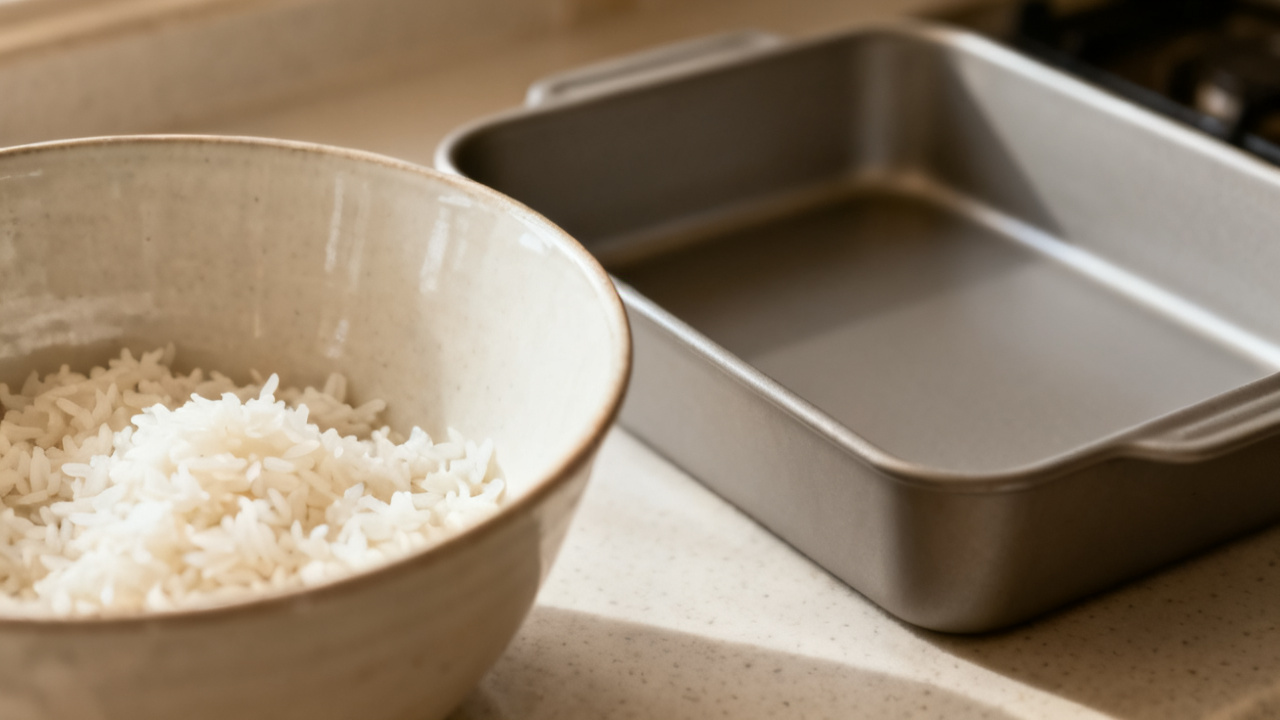
- Scoop the warm kimchi rice mixture into a shallow ceramic bowl, leaving a slight well in the center for your toppings. The shallow bowl lets you spread the rice out slightly so every bite gets a mix of toppings and base, rather than tucking all the good stuff at the bottom of a deep bowl.
- Drizzle 1 teaspoon of the gochujang-maple syrup mix over the surface of the rice, swirling gently to spread it partially without fully mixing it in. Keeping the sauce in pockets rather than stirring it all through lets you get bites with more or less spice as you eat, which keeps the meal feeling varied from first bite to last.
- Top the rice with a fried egg you cooked in the empty skillet while the rice warmed, if you eat eggs, or a ¼ cup of crumbled fried tofu for a plant-based protein boost. The runny yolk of a fried egg acts as an extra creamy sauce when you break into it, and the crisp edges of fried tofu add a satisfying textural contrast to the soft rice.
- Add a small handful of fresh, un-cooked kimchi on top for extra crunch and tang, along with a sprinkle of toasted sesame seeds and a few slices of scallion if you have them on hand. The fresh kimchi is brighter and crispier than the cooked kimchi mixed into the rice, so it adds a nice pop of texture and flavor that cuts through the warmth of the base.
- Finish with a light dash of rice vinegar to cut through the richness of the savory rice and protein, if you prefer a brighter overall flavor. You can also add a pinch of red pepper flakes for extra heat, or a drizzle of sesame oil for extra nuttiness, depending on your mood that night.
You don’t need to mix all the ingredients together before eating if you don’t want to; biting into the distinct layers of warm spiced rice, creamy protein, and crisp fresh kimchi creates a more dynamic eating experience that feels far more intentional than a standard leftover stir-fry. The whole assembly process takes less than two minutes, so you go from hot skillet to ready-to-eat bowl in almost no time at all, with minimal cleanup to tackle after you finish eating.
Tweak Your Quick Kimchi Veggie Rice Bowl Next Time You Cook It
This bowl is infinitely customizable, so you can adjust it to fit whatever ingredients you have on hand or whatever flavor profile you’re craving when you make it again. If you have leftover cooked pork belly, bulgogi, or grilled chicken from a previous meal, toss a handful of cubed pieces into the skillet with the rice while it heats to add extra protein and savoriness without extra cooking time. If you don’t have gochujang in your pantry, swap it for sriracha mixed with a touch of honey, or even a spoonful of miso paste mixed with a pinch of chili powder for a deeper, saltier base flavor. If you like extra crunch, add a handful of roasted seaweed strips, crushed roasted peanuts, or pickled radish cubes on top, all of which add a sharp textural contrast that makes the bowl feel more substantial. If you’re avoiding grains, swap the short-grain rice for cauliflower rice, leftover cooked quinoa, or even roasted sweet potato cubes tossed with the kimchi and veggies for a heartier, vegetable-forward base. You can also adjust the spice level to fit your preference: add an extra teaspoon of gochujang to the sauce if you like lots of heat, or skip the chili component entirely if you prefer a mild, savory bowl that lets the fermented kimchi flavor shine through. If you’re making the bowl for meal prep, you can store the cooked rice and veggie mixture in an airtight container in the fridge for up to three days, and add the fresh toppings right before you eat to keep the crisp texture intact. No two versions of this bowl have to be exactly the same, which makes it a reliable go-to that never feels boring, even if you cook it once a week for quick weeknight dinners. You can even scale the ingredients up slightly if you’re cooking for a guest, but the core process stays exactly the same, so you don’t have to stress about complicated timing or extra prep work when you have company over on a busy weeknight.