Spice box or three-jar shortcut
Indian curry intimidation often starts at spice aisle with fifty bags. Beginners choose one path:
Easy Indian Curry Recipes for cook card
Use this five-line card with the steps below. Illustrative checklist for this topic only.
- Preheat or boil water before you chop
- Salt the main pot once, taste at the end
- Keep one backup sauce (soy, salsa, or yogurt)
- Plate leftovers before you sit down
- Anchor the plate around easy
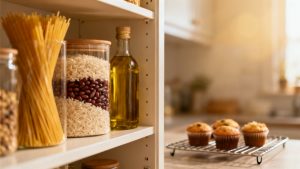
Path A — small spice box: cumin seeds or ground cumin, coriander, turmeric, garam masala, chili powder or flakes. Five jars cover eighty percent of beginner recipes.
Path B — three-jar shortcut: mild curry powder, garam masala, turmeric. Less authentic nuance, faster weeknight wins.
Toast whole cumin seeds in dry pan thirty seconds before oil and onion if using seeds—aroma jump is disproportionate to effort. Ground spices go in after onion softens; burn ground spices in dry pan alone tastes bitter—always use fat or liquid buffer.
Store spices away from stove heat and sunlight—faded turmeric and stale cumin produce flat curry that makes beginners blame technique instead of pantry age. Write purchase month on jar lid with marker; replace ground spices yearly if cooking weekly.
Base onion-tomato paste for the week
Cook once, use twice: 2 large onions blended or finely chopped, sauté in 3 tbsp oil until deep golden 15 to 20 minutes stirring often; add 4 cloves garlic minced, 1 tbsp ginger grated, cook 2 minutes; add 1 tsp turmeric, 2 tsp coriander, 1 tsp cumin, stir; add 1 can crushed tomatoes, simmer until thick jammy paste 15 minutes; salt to taste. Makes about 2 cups.
Refrigerate half for chickpea curry Thursday; freeze half flat bag for later. Many restaurant curries start from this paste; beginners skip straight to it instead of adding spices only at end wondering why flat.
Onion color matters—pale onion paste tastes raw; golden to brown develops sweetness. Patience on onion is the secret teachers skip mentioning because it sounds boring.
Freeze paste in ice cube trays, transfer cubes to bag—two cubes equal roughly one batch starter. Cubes defrost in pot while rice starts; beginner shortcut that tastes like you planned ahead on purpose.
Mild coconut curry for cautious eaters
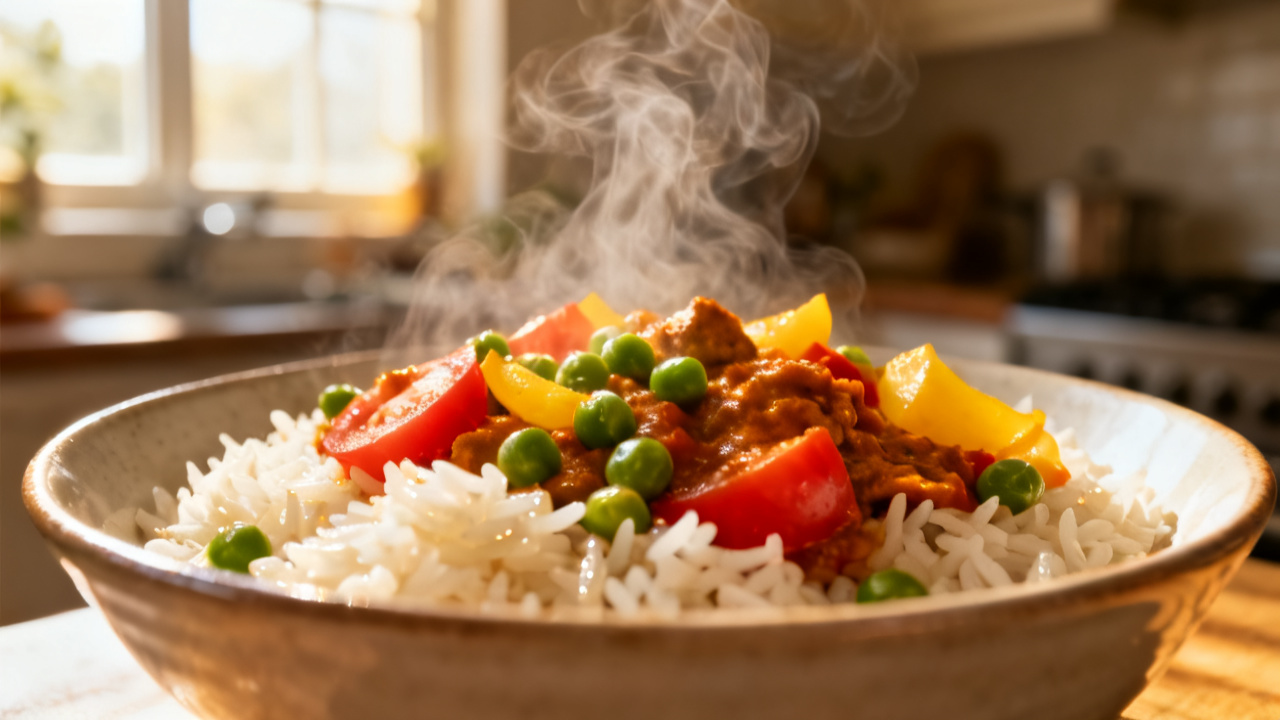
Family-friendly: in pot, heat 2 tbsp oil, add ½ cup base paste above or 1 diced onion cooked soft plus 1 tbsp mild curry powder; add 1 lb chicken thighs cubed or 2 cans chickpeas drained; stir to coat; add 1 can coconut milk, ½ cup water, salt; simmer 20 minutes chicken / 15 chickpeas until cooked. Finish with handful frozen peas, squeeze lime.
Control heat: chili on table as flakes or hot sauce, not in pot if kids wary. Coconut milk full-fat tastes richer; light works for diet preference not flavor peak. Serve over rice; cucumber yogurt side cools mouths without stopping dinner conversation.
Chickpea curry in one pot
Vegetarian default: sauté 1 onion in oil until soft; add 2 tsp ginger, 2 tsp garlic; 1 tsp turmeric, 2 tsp garam masala, 1 tsp cumin; 2 cans chickpeas, 1 can tomatoes, 1 cup water; simmer 20 minutes; mash ¼ chickpeas against pot side for body; stir spinach last 3 minutes if available. Top cilantro if household likes—it is optional not identity.
Naan from store toaster warms while curry simmers; rice alternative if preferred. One pot, one starch, done. Leftovers thicken—add splash water reheating.
Rice or flatbread pairing basics
Rice: rinse basmati until water runs clearer; soak optional 15 minutes; cook 1 cup rice to 1½ cups water simmer covered low 15 minutes rest off heat 10. Fluff with fork. Salty curry needs plain rice not seasoned pilaf competing.
Store naan or roti: wrap stack in foil, warm 350°F 8 minutes. Homemade flatbread optional adventure for month two—not requirement day one. Pick one starch and master it before adding second.
Portion curry over rice not beside if kids mix anyway—bowl service reduces table mess and makes small portions look full.
Rice cooker optional but valuable if curry becomes weekly habit—set and forget while paste simmers. Same appliance makes bowl night and curry night share infrastructure.
When curry tastes flat or bitter
Flat: missing salt, acid, or fat—add salt pinch by pinch, lime juice, spoon of butter or coconut cream at finish. Bitter: burnt spices—start onion stage again small batch if catastrophic; mild case add coconut milk or yogurt to dilute.
Too thin: simmer uncovered; mash some legumes. Too thick: water or broth splash. Too spicy: dairy or coconut fat soothes; do not add more water alone without fat—heat persists.
Curry improves overnight; beginner attempt eaten fresh may taste better lunch next day—do not trash Wednesday night based on Wednesday 7pm first impression alone.
Weeknight timing: curry on the table in forty minutes
0–10 min: Start rice. Chop onion if no base paste ready. 10–25 min: Cook onion-ginger-garlic golden; add spices thirty seconds; add protein or chickpeas; add tomatoes and coconut milk or water. 25–40 min: Simmer; taste salt-acid; steam frozen peas if using; rest rice. Serve: lime wedge mandatory; yogurt side optional.
Using pre-made base paste from freezer or fridge cuts active time to twenty minutes—worth batching paste on calmer night. Set phone timer for simmer segment so you wipe counter instead of scrolling while pot reduces—productive waiting beats idle waiting.
Cleanup one-pot curry: soak pot immediately with water while eating; dried turmeric stains less if addressed same night. Plastic containers storing curry take stain too—glass for leftovers if aesthetics bother you.
Invite family to smell spices while toasting—curiosity replaces suspicion when kitchen smells like restaurant. Beginners who explain every spice name lose audience; beginners who let aroma build appetite win fork cooperation before plate hits table.
Your first curry shopping list
Buy: basmati rice, 1 can coconut milk, 2 cans chickpeas, 1 can crushed tomatoes, onion, garlic, ginger, mild curry powder OR cumin/coriander/turmeric/garam masala, lime. Cook chickpea curry first—it forgives timing mistakes.
Weeknight Pantry Indian curry for beginners is onion patience, one base paste, and adjusting salt-acid-fat at the end—not owning every whole spice on earth before first simmer. Master one pot; then expand the spice box with confidence earned not imagined. Taste at simmer, taste at plate—two tastes catch most beginner mistakes.