Easy Plant-Based Meals for Beginners: Nutritious Recipes Anyone Can Make

Eating more plant-based meals doesn’t have to be expensive, complicated, or time-consuming. In fact, some of the healthiest and most satisfying meals are made with everyday ingredients like beans, lentils, vegetables, fruits, whole grains, nuts, and seeds. Whether you’re trying to improve your health, reduce your grocery bill, eat more vegetables, or simply explore new recipes, adding more plant-based meals to your routine is an excellent place to start.

One of the biggest misconceptions about plant-based eating is that it requires giving up your favorite foods or buying specialty ingredients. The truth is that many delicious meals are naturally plant-based or can easily be adapted with simple ingredient swaps. You don’t have to become fully vegetarian or vegan overnight—even replacing a few meals each week with plant-based options can make a meaningful difference.

This guide is designed specifically for beginners. You’ll learn which pantry staples to keep on hand, how to build balanced meals, and several easy recipes that are nutritious, affordable, and simple enough for anyone to prepare. By the end of this article, you’ll have the confidence to cook satisfying plant-based meals that fit your lifestyle and your budget.

Why Choose Plant-Based Meals?

Plant-based eating focuses on foods that come primarily from plants. This includes vegetables, fruits, whole grains, legumes, nuts, seeds, herbs, and healthy plant oils. Some people follow a fully vegan diet, while others simply aim to eat more plant-based meals alongside animal products.

Including more plant foods in your diet may offer several benefits:

  • Increases your intake of fiber
  • Provides important vitamins and minerals
  • Supports digestive health
  • Encourages a variety of colorful foods
  • Can help with meal variety and budget-friendly cooking
  • Makes it easier to include more whole foods in your daily routine

The goal isn’t perfection. Even one or two plant-based meals each week is a positive step toward a more balanced eating pattern.

Essential Plant-Based Pantry Staples

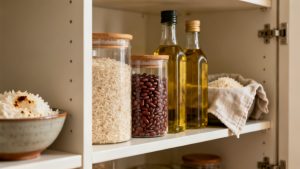
Keeping a well-stocked pantry makes preparing healthy meals much easier. Many of these ingredients are inexpensive, have a long shelf life, and can be used in countless recipes.

Whole Grains

Whole grains provide energy, fiber, and satisfying texture.

Keep these on hand:

  • Brown rice
  • Quinoa
  • Rolled oats
  • Whole wheat pasta
  • Barley
  • Bulgur
  • Couscous

Legumes

Beans and lentils are excellent sources of plant protein and fiber.

Popular choices include:

  • Black beans
  • Chickpeas
  • Kidney beans
  • Pinto beans
  • Red lentils
  • Green lentils
  • Split peas

Both canned and dried versions work well.

Healthy Fats

Healthy fats add flavor and help meals feel more satisfying.

Choose:

  • Olive oil
  • Avocados
  • Almonds
  • Walnuts
  • Cashews
  • Sunflower seeds
  • Pumpkin seeds
  • Peanut butter

Herbs and Spices

Seasoning is what transforms simple ingredients into flavorful meals.

Stock your kitchen with:

  • Garlic powder
  • Onion powder
  • Paprika
  • Cumin
  • Turmeric
  • Oregano
  • Basil
  • Black pepper
  • Chili flakes
  • Italian seasoning

Fresh Produce

Aim to include a variety of colorful fruits and vegetables each week.

Examples include:

  • Spinach
  • Broccoli
  • Bell peppers
  • Tomatoes
  • Carrots
  • Cucumbers
  • Sweet potatoes
  • Mushrooms
  • Apples
  • Bananas
  • Berries
  • Oranges

Frozen vegetables are also an excellent option because they’re nutritious, convenient, and reduce food waste.

Helpful Kitchen Equipment

You don’t need expensive appliances to cook healthy meals. A few basic tools are enough.

  • Large skillet
  • Saucepan
  • Baking sheet
  • Sharp chef’s knife
  • Cutting board
  • Mixing bowls
  • Blender
  • Measuring cups
  • Food storage containers

These essentials make meal preparation faster and more enjoyable.

How to Build a Balanced Plant-Based Meal

A nutritious meal usually includes four key components:

1. Plant Protein

Examples include beans, lentils, tofu, tempeh, edamame, or chickpeas.

2. Whole Grains

Brown rice, quinoa, whole wheat pasta, or oats provide lasting energy.

3. Vegetables

Fill at least half your plate with colorful vegetables for fiber, vitamins, and minerals.

4. Healthy Fat

Add avocado, nuts, seeds, or olive oil for flavor and satisfaction.

Using this simple formula makes it easy to create balanced meals without following complicated recipes.

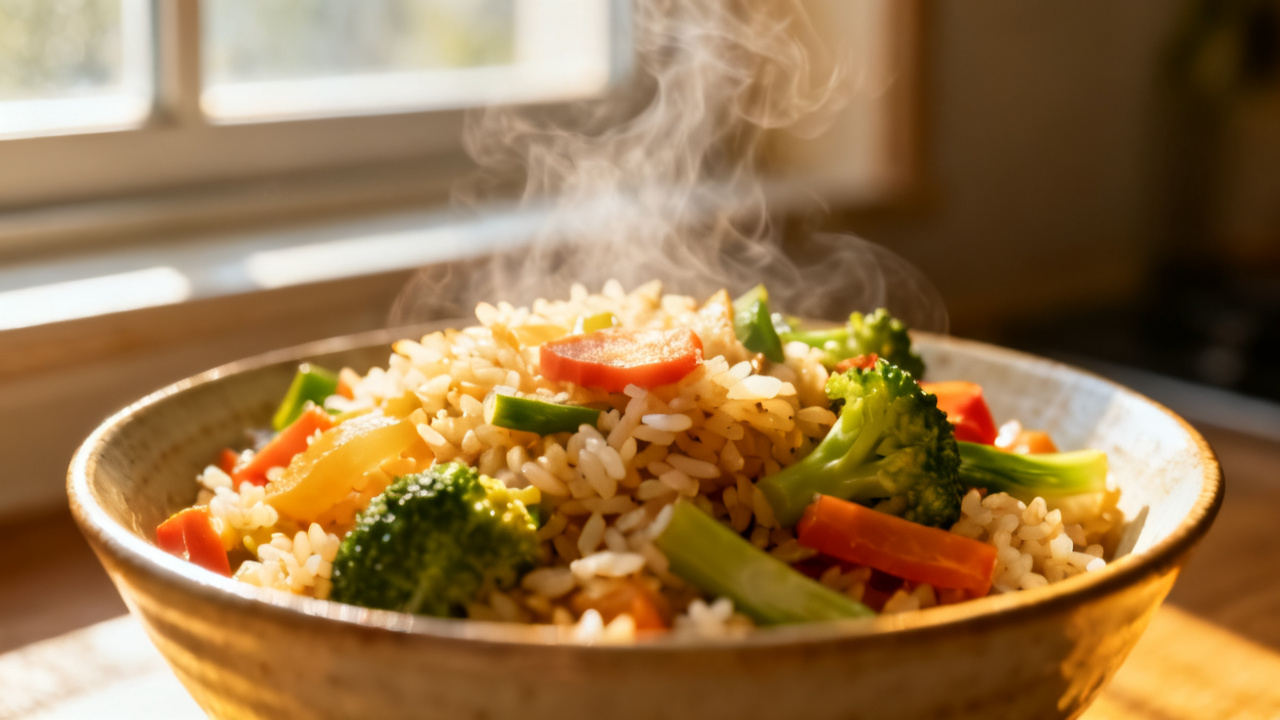
Recipe 1: Chickpea and Vegetable Stir-Fry

Ingredients

  • 2 cups cooked chickpeas
  • 1 broccoli head
  • 1 red bell pepper
  • 1 carrot
  • 2 cloves garlic
  • 1 tablespoon olive oil
  • 2 tablespoons low-sodium soy sauce
  • 1 teaspoon sesame oil (optional)
  • Cooked brown rice

Instructions

  1. Heat olive oil in a large skillet.
  2. Add garlic and cook for 30 seconds.
  3. Add broccoli, carrots, and bell peppers.
  4. Stir-fry for about 5–7 minutes.
  5. Add chickpeas and soy sauce.
  6. Cook for another 3 minutes.
  7. Serve over warm brown rice.

This colorful meal is filling, easy to prepare, and perfect for busy weeknights.

Recipe 2: Creamy Lentil Soup

Ingredients

  • 1 cup red lentils
  • 1 onion
  • 2 carrots
  • 2 celery stalks
  • 3 garlic cloves
  • 1 can diced tomatoes
  • 4 cups vegetable broth
  • 1 teaspoon cumin
  • Salt and pepper

Instructions

  1. Sauté onions, carrots, celery, and garlic.
  2. Add lentils, tomatoes, broth, and spices.
  3. Bring to a boil.
  4. Reduce heat and simmer for 25 minutes.
  5. Blend partially if you prefer a creamier texture.

Serve with whole-grain bread for a complete meal.

Recipe 3: Quinoa Vegetable Bowl

Ingredients

  • Cooked quinoa
  • Roasted sweet potatoes
  • Spinach
  • Cherry tomatoes
  • Cucumber
  • Chickpeas
  • Avocado
  • Lemon juice
  • Olive oil

Instructions

Arrange all ingredients in a bowl.

Drizzle with olive oil and fresh lemon juice.

Season with salt and black pepper.

This meal works well for lunch, dinner, or meal prep.

Recipe 4: Black Bean Tacos

Ingredients

  • Corn tortillas
  • Black beans
  • Lettuce
  • Tomatoes
  • Avocado
  • Salsa
  • Fresh cilantro

Instructions

Warm the tortillas.

Fill with seasoned black beans and fresh vegetables.

Top with salsa and avocado.

These tacos are quick to prepare and packed with flavor.

Recipe 5: Peanut Butter Banana Overnight Oats

Ingredients

  • Rolled oats
  • Plant-based milk
  • Peanut butter
  • Banana
  • Chia seeds
  • Cinnamon

Instructions

Combine all ingredients in a jar.

Refrigerate overnight.

In the morning, stir well and enjoy a nutritious breakfast that’s ready to eat.

These overnight oats are ideal for busy mornings and can be customized with berries, nuts, or seeds for extra nutrition.

Recipe 6: Tofu and Vegetable Fried Rice

This simple fried rice is an excellent way to use leftover rice and vegetables while adding a good source of plant protein.

Ingredients

  • 2 cups cooked brown rice
  • 1 block firm tofu, pressed and cubed
  • 1 cup frozen mixed vegetables
  • 2 tablespoons low-sodium soy sauce
  • 1 tablespoon olive or sesame oil
  • 2 garlic cloves, minced
  • 1 teaspoon grated fresh ginger
  • 2 green onions, sliced

Instructions

  1. Heat the oil in a large skillet over medium heat.
  2. Cook the tofu until lightly golden on all sides.
  3. Add the garlic, ginger, and mixed vegetables.
  4. Stir in the cooked rice and soy sauce.
  5. Cook for 5–7 minutes, stirring frequently.
  6. Garnish with green onions before serving.

This recipe is ideal for meal prep because it reheats well and can be stored for several days.

Recipe 7: Sweet Potato and Black Bean Chili

A hearty chili is perfect for cooler evenings and makes excellent leftovers.

Ingredients

  • 2 medium sweet potatoes, diced
  • 2 cans black beans, drained
  • 1 can diced tomatoes
  • 1 onion, chopped
  • 2 cloves garlic
  • 2 cups vegetable broth
  • 1 teaspoon chili powder
  • 1 teaspoon cumin
  • Salt and black pepper

Instructions

  1. Cook the onion and garlic until softened.
  2. Add the sweet potatoes and spices.
  3. Stir in the beans, tomatoes, and broth.
  4. Simmer for 30–35 minutes until the sweet potatoes are tender.
  5. Taste and adjust the seasoning before serving.

Serve with fresh cilantro, avocado slices, or a squeeze of lime juice.

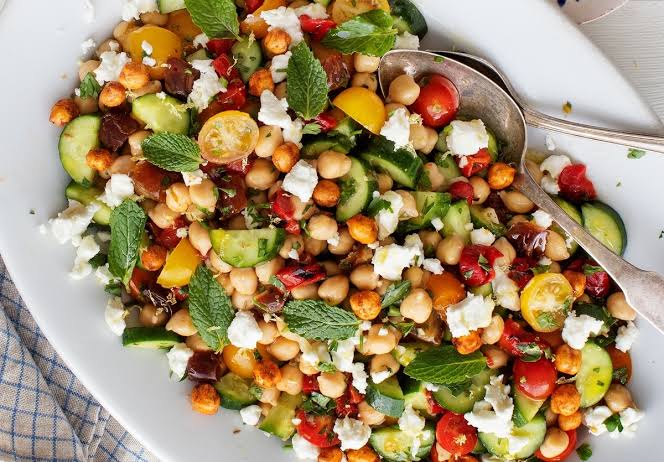
Recipe 8: Mediterranean Chickpea Salad

This refreshing salad is packed with vegetables and comes together in minutes.

Ingredients

  • 1 can chickpeas
  • Cucumber
  • Cherry tomatoes
  • Red onion
  • Parsley
  • Lemon juice
  • Olive oil
  • Salt
  • Black pepper

Instructions

  1. Chop all the vegetables into bite-sized pieces.
  2. Combine them with the chickpeas in a large bowl.
  3. Whisk together the olive oil, lemon juice, salt, and pepper.
  4. Toss everything until evenly coated.

This salad is perfect for lunch or as a side dish with soup.

Recipe 9: Creamy Peanut Noodles

These noodles are quick, satisfying, and full of flavor.

Ingredients

  • Whole wheat noodles
  • Peanut butter
  • Soy sauce
  • Lime juice
  • Garlic
  • Warm water
  • Shredded carrots
  • Spinach

Instructions

  1. Cook the noodles according to the package directions.
  2. Whisk together the peanut butter, soy sauce, lime juice, garlic, and warm water.
  3. Toss the noodles with the sauce.
  4. Add the vegetables and mix well.
  5. Serve warm or chilled.

Recipe 10: Roasted Vegetable Sheet Pan Dinner

Sheet pan meals save time and minimize cleanup.

Ingredients

  • Broccoli
  • Cauliflower
  • Bell peppers
  • Zucchini
  • Sweet potatoes
  • Olive oil
  • Garlic powder
  • Paprika
  • Italian seasoning

Instructions

  1. Preheat the oven to 400°F (200°C).
  2. Cut the vegetables into similar-sized pieces.
  3. Toss with olive oil and seasonings.
  4. Spread them evenly on a baking sheet.
  5. Roast for 30–35 minutes, stirring once halfway through.

Serve with cooked quinoa or brown rice for a complete meal.

Simple Meal Planning Tips

Meal planning makes healthy eating easier and reduces stress during the week.

Here are a few practical strategies:

  • Plan three to five dinners before shopping.
  • Cook larger batches and save leftovers.
  • Wash and chop vegetables ahead of time.
  • Prepare grains such as rice or quinoa in advance.
  • Keep canned beans and frozen vegetables available for quick meals.
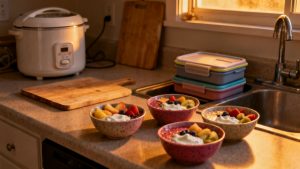
  • Store meals in airtight containers for easy lunches.

Spending an hour preparing ingredients on the weekend can save several hours during busy weekdays.

Common Beginner Mistakes and How to Avoid Them

Not Eating Enough Protein

Protein helps keep you full and supports muscle health.

Include foods such as beans, lentils, tofu, tempeh, edamame, quinoa, nuts, and seeds throughout the day.

Depending Too Much on Processed Foods

Many packaged meat substitutes can be convenient, but they shouldn’t replace whole foods entirely.

Build most meals around vegetables, legumes, whole grains, fruits, and healthy fats.

Forgetting Healthy Fats

Healthy fats improve flavor and help your body absorb certain vitamins.

Include moderate amounts of olive oil, avocados, nuts, and seeds in your meals.

Eating Too Few Calories

If you’re new to plant-based eating, your meals may contain more fiber and fewer calories than you’re used to.

Make sure your meals include enough whole grains, legumes, and healthy fats to stay satisfied.

Key Nutrients to Pay Attention To

A balanced plant-based diet can provide most of the nutrients your body needs when it includes a variety of foods.

Protein

Good plant-based protein sources include:

  • Lentils
  • Chickpeas
  • Black beans
  • Tofu
  • Tempeh
  • Edamame
  • Quinoa

Iron

Iron-rich foods include:

  • Lentils
  • Spinach
  • Pumpkin seeds
  • Kidney beans
  • Chickpeas

Pair these foods with vitamin C-rich fruits or vegetables, such as oranges, strawberries, or bell peppers, to help improve iron absorption.

Calcium

Plant-based calcium sources include:

  • Fortified plant milks
  • Calcium-set tofu
  • Kale
  • Broccoli
  • Almonds

Vitamin B12

Vitamin B12 is not naturally abundant in most plant foods. People following a completely vegan diet should consider fortified foods or a B12 supplement after discussing their needs with a qualified healthcare professional.

Omega-3 Fatty Acids

Include foods such as:

  • Chia seeds
  • Ground flaxseed
  • Walnuts
  • Hemp seeds

These foods provide plant-based omega-3 fats that support overall health.

Smart Grocery Shopping Tips

Shopping with a plan helps you eat healthier while saving money.

  • Make a shopping list before leaving home.
  • Buy seasonal fruits and vegetables when possible.
  • Choose dried beans and lentils for extra savings.
  • Purchase whole grains in bulk if available.
  • Compare unit prices instead of package prices.
  • Keep frozen vegetables on hand for convenience and less food waste.

A little planning can significantly reduce both grocery costs and last-minute takeout meals.

Storage and Meal Prep Advice

Proper storage keeps your meals fresh and safe to eat.

  • Refrigerate cooked meals within two hours.
  • Store leftovers in airtight containers.
  • Most cooked plant-based meals keep well for three to four days in the refrigerator.
  • Freeze soups, chili, cooked beans, and grain bowls for up to three months.
  • Label containers with the preparation date to make meal rotation easier.

Frequently Asked Questions

1. Do I have to become vegan to enjoy plant-based meals?

No. Plant-based eating is flexible. Many people simply include more meals made primarily from plants while continuing to eat other foods occasionally.

2. Are plant-based meals expensive?

Not necessarily. Staples such as beans, lentils, oats, rice, potatoes, and seasonal vegetables are often among the most affordable foods at the grocery store.

3. How can I make plant-based meals more filling?

Include a balance of protein, whole grains, vegetables, and healthy fats. This combination helps keep you satisfied for longer.

4. Can children enjoy these recipes?

Yes. Many of these recipes are family-friendly. Adjust seasonings as needed and introduce new foods gradually to suit children’s tastes.

5. Which recipe is best for complete beginners?

The Chickpea and Vegetable Stir-Fry, Black Bean Tacos, and Overnight Oats are excellent starting points because they require minimal cooking skills and use easy-to-find ingredients.

Conclusion

Starting a plant-based eating journey doesn’t require complicated recipes or expensive specialty products. By focusing on simple, wholesome ingredients like beans, lentils, whole grains, vegetables, fruits, nuts, and seeds, you can prepare delicious meals that are both satisfying and nutritious.

The recipes in this guide are designed with beginners in mind, proving that healthy cooking can be practical, affordable, and enjoyable. As you become more comfortable, don’t be afraid to experiment with new vegetables, herbs, spices, and cooking methods to discover flavors you love.

Remember that lasting dietary changes happen gradually. Even replacing a few meals each week with plant-based options is a meaningful step toward a more varied and balanced eating pattern. With thoughtful meal planning, a well-stocked pantry, and the easy recipes shared here, you’ll have everything you need to enjoy nutritious homemade meals that fit your lifestyle and support your long-term health goals.