What makes a vanilla cupcake genuinely classic
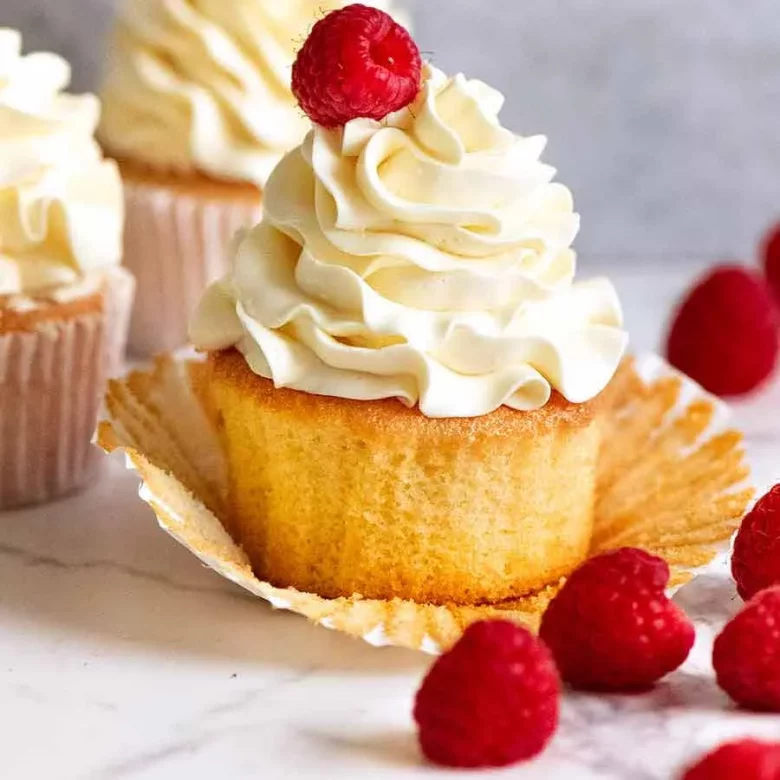
A classic vanilla cupcake is tender, evenly risen, and flavored with real vanilla—not just sugar. Butter and eggs provide structure; cake flour or a mix of all-purpose and cornstarch keeps crumb soft. The goal is a flat or gently domed top that frosts cleanly, not a mushroom cap that must be trimmed.
Classic Vanilla Cupcakes with Buttercream cook card
Use this five-line card with the steps below. Illustrative checklist for this topic only.
- Write the cook time you will actually have tonight
- List three pantry items already on the shelf
- Pick one protein or bean can
- Choose one vegetable (fresh or frozen)
- Anchor the plate around classic
Room-temperature ingredients blend faster and bake more evenly. Pull butter and eggs out an hour ahead, or warm cold butter in the microwave in five-second bursts.
Bring eggs to room temp in warm water bath ten minutes if you forgot early pull from fridge. Cold eggs curdle buttercream bases and slow creaming. Cupcake papers in two layers hide grease spots on thin liners.
Cake flour substitution: one cup all-purpose minus two tablespoons plus two tablespoons cornstarch sifted together. Measure after sifting or weights drift. Cupcakes from cake flour rise slightly softer top—easier frosting surface.
Fill liners on baking sheet inside muffin tin so batter spills lift away cleanly if you over-scoop one cup.
Batter that mixes without overworking
Cream butter and sugar until pale and fluffy—about three minutes with a mixer. Beat in eggs one at a time. Whisk dry ingredients separately: flour, baking powder, salt. Alternate adding dry mix and milk, beginning and ending with dry. Fold in vanilla extract last.
Stop mixing when no flour streaks remain. Overmixed batter develops gluten and yields tough cupcakes. Use a scoop for even portions so they bake uniformly.
Sift flour and leaveners together even when not sifting sugar—baking powder clumps in humid kitchens. Mix dry on low speed only until combined; no need to whip air into flour stage. Scrape bowl twice; unmixed pockets bake as bitter bites.
Scoop batter with disher for uniform bake—mixed sizes in one tray mean some dry before others set. Tap filled tin once on counter to release large air pockets without deflating risen batter.
Room-temp butter should indent lightly when pressed—too soft and cupcakes dome; too cold and batter curdles.
Baking and cooling without collapse
Fill liners two-thirds full. Bake at moderate heat until tops spring back when lightly touched and a toothpick shows moist crumbs, not wet batter. Rotate pan once if your oven hot-spots.
Cool in the pan five minutes, then transfer to a rack. Frost only when completely cool or buttercream will melt into glossy puddles.
Oven thermometer cheaply fixes mystery domes—many home ovens run hot. Rotate tray once at halfway if your test bake shows darker back corner. Touch spring test beats timer alone; ovens vary more than recipes admit.
Internal temp optional geek move—two hundred ten F in center means done without opening oven repeatedly. Peek once after minimum time only; early door drops temperature spikes domes.
Cool cupcakes on wire rack in single layer—stacked hot trays steam bottoms soggy.
American buttercream that pipes smoothly
Beat softened butter until smooth. Add powdered sugar gradually with a splash of milk or cream and vanilla. Beat until fluffy; adjust thickness with more sugar or milk. For piping, the frosting should hold a ribbon shape briefly.
Fix grainy frosting: beat longer on medium; warmth from friction smooths sugar. Chill five minutes if too soft to pipe.
Buttercream ratios start one cup butter to three cups powdered sugar; adjust milk teaspoon by teaspoon. Beat extra minute if gritty—friction melts sugar crystals. Color gel not liquid dye to avoid thinning pipeable frosting.
Buttercream on hot day needs brief chill between sugar additions or pipe soft ribbons collapse. Hand warmth melts frosting bags—rotate bags or use coupler chiller trick with ice pack under bowl.
Buttercream tinted day ahead deepens color overnight—mix slightly lighter than target shade.
Flavor upgrades without complicating the base
- Vanilla bean: scrape half a pod into the milk you warm for batter
- Brown butter: cool browned butter to soft before creaming
- Citrus: zest into sugar before creaming; keep juice out of buttercream unless you add extra sugar
Change one element per batch so you know what improved the crumb or frosting.
Brown butter cupcakes need completely cooled butter before creaming or batter splits. Vanilla bean specks impress visually with minimal flavor change—save beans for special batches if budget tight. Citrus zest only in batter; acid in buttercream needs sugar rebalance.
Extract quality matters more in vanilla-forward recipe than chocolate—pure vanilla one teaspoon beats imitation double amount. Almond extract three drops optional wedding-cake note without changing base ratios.
Brown butter cool to soft peak consistency before creaming or batter splits irreversibly mid-mix.
Piping and storage for party timing
Use a large round or star tip; pipe from outside edge inward in a spiral. Store unfrosted cupcakes airtight at room temperature one day, or freeze up to a month. Frosted cupcakes keep one day chilled; bring to room temperature before serving so flavor opens up.
If transporting, frost onsite or carry frosting in a bag and pipe at arrival.
Pipe practice on parchment before cupcakes—muscle memory reduces redo anxiety. Transport frosted cupcakes in shallow box with nonstick dots between bases. Unfrosted freeze well three months; thaw uncovered thirty minutes at room temp.
Frosted cupcakes travel in single layer—stacking smears even stiff buttercream. Unfrosted cupcakes in clamshell containers sell at bake sales; frost on site for peak appearance.
Transport cupcakes in cupcake carrier with deep lid if frosting piped high—saran wrap smears design.
Bake a test batch of six before the big dozen
Halve the recipe for six cupcakes to learn your oven’s timing without wasting ingredients. Note bake minutes and whether domes need a slight temperature drop. Classic vanilla rewards repetition—second batches pipe cleaner and taste more balanced because mixing feels familiar.
Keep unfrosted cupcakes in the freezer for emergencies; thaw thirty minutes and frost for guests who appear with short notice.
Jot one note after cooking—what timed out, what you’d repeat—so the next round starts smarter than the last.