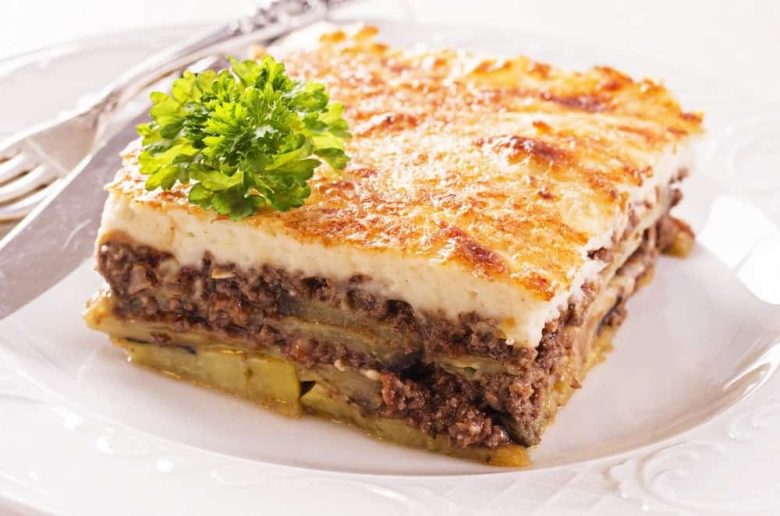
A deep, 9×13 inch ceramic baking pan is the only specialty cookware you need for this creamy Greek moussaka, with high sides that catch any bubbling béchamel before it spills onto your oven floor. You already have most of the components for this dish in your pantry and fridge, from ground lamb to ripe eggplant and a handful of dried Mediterranean spices. It comes together fast enough for a weeknight, with minimal active work and enough leftovers for a quick lunch the next day if you portion extra servings before sitting down to eat.
The star ingredient of this creamy Greek moussaka
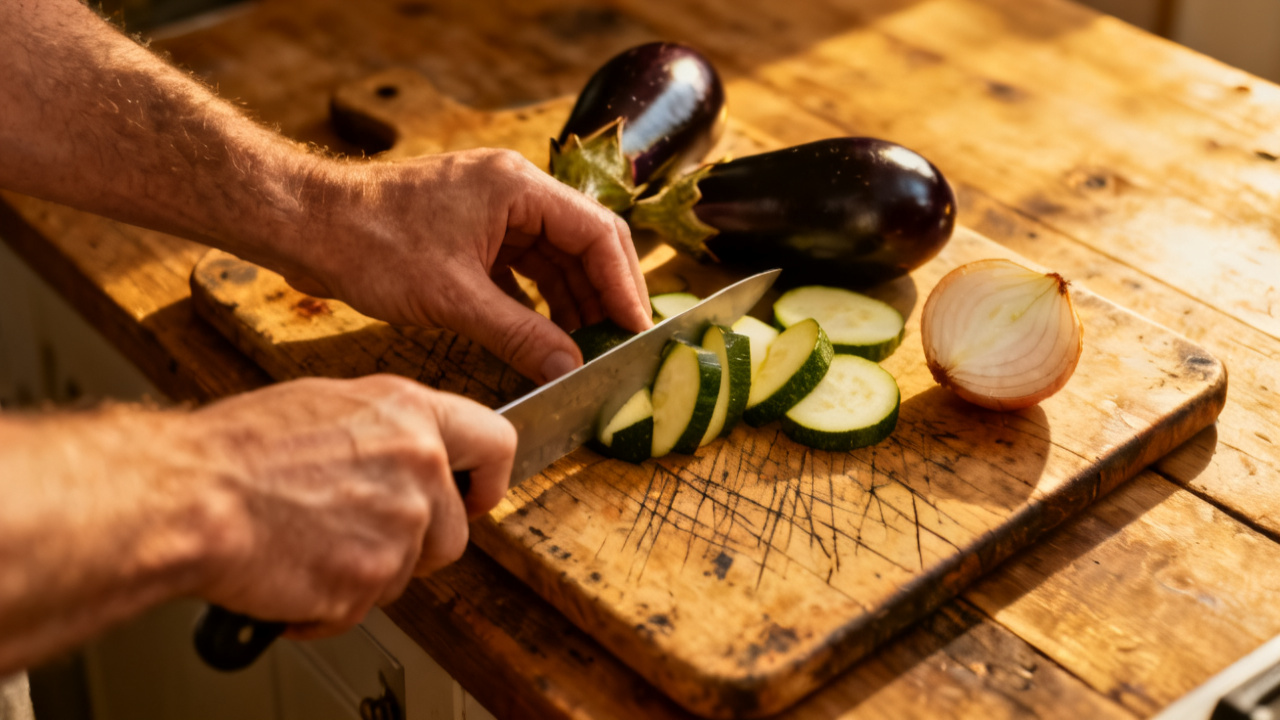
Firm, ripe globe eggplant is the core of this dish, and you don’t need to splurge on specialty tiny Japanese or Italian eggplant to get great results. You slice it into ¼-inch thick rounds, lay them on a baking sheet lined with parchment, and sprinkle them lightly with kosher salt to draw out excess moisture for 15 minutes before searing. This step keeps the eggplant from turning mushy as it bakes with the lamb layer, so every bite has a slight, pleasant chew instead of a watery, unappealing texture. Illustrative example: If you only have two small eggplant on hand, you can add 1 cup of sliced zucchini to make up the 2 cups of roasted veg required for the base layer, no extra seasoning required. If you don’t eat lamb, you can swap the ground meat for ground chuck, ground turkey, or even cooked lentils for a plant-based base, and the core flavor profile will stay just as rich and savory.
Common pre-made add-ins you leave out of this moussaka
There are three common pre-made ingredients you skip entirely for this cook, no exceptions, to keep the texture smooth and the flavor bright. First, you leave out pre-shredded parmesan that’s coated in anti-caking agent, because that grainy additive keeps the béchamel from getting silky smooth as it melts, leaving small, unblended flecks in the finished sauce. You also leave out pre-mixed moussaka spice blends that often have added salt and filler ingredients like rice flour, since you can mix your own from dried oregano, ground cinnamon, a pinch of nutmeg, and freshly cracked black pepper you already have in your spice cabinet. The third thing you leave out is jarred béchamel sauce, which tends to have a chalky, overly thick texture that doesn’t meld with the savory lamb and eggplant layers as well as a quick homemade version. You don’t need any fancy culinary skills to make the béchamel from scratch, just butter, all-purpose flour, whole milk, and a pinch of nutmeg, and it comes together in less than 10 minutes while the eggplant roasts.
Steady, low heat that makes this moussaka creamy without burning
Consistent, moderate heat is the secret to a perfectly cooked moussaka with no burnt edges or undercooked layers. You sear the eggplant rounds in extra virgin olive oil over medium-low heat for 3 minutes per side, instead of cranking the heat to high to speed up the process, which would burn the outside before the inside softens fully. You cook the ground lamb and diced yellow onion mixture over medium heat for 8 minutes, stirring occasionally, until the lamb is fully browned and the onion is soft and translucent, then you add a 14.5-ounce can of no-salt-added crushed tomatoes, a splash of red wine vinegar, and your custom spice mix, and simmer for 10 minutes over low heat to let the flavors meld together. When you assemble the full dish, you bake it at 375 degrees Fahrenheit for 35 minutes, then broil on low for 2 minutes at the end to crisp the top of the béchamel to a light golden brown without burning the edges of the pan. If you notice the edges of the baking pan browning too fast halfway through the bake, you can wrap the edges in a small strip of aluminum foil to slow the browning process.
Exact timing breaks for this weeknight moussaka cook
You split the cook into clear, low-effort steps that fit between work tasks, kid routines, or whatever else fills your weeknight evening, with zero rushed moments:
- 0 to 15 minutes: Slice eggplant, salt lightly to draw out moisture, dice yellow onion, measure out spices, and preheat your oven to 375 degrees Fahrenheit.
- 15 to 30 minutes: Sear eggplant in batches and set aside on a paper towel-lined plate to drain excess oil, then cook ground lamb and onion until browned, add crushed tomatoes and spices, and simmer on low.
- 30 to 40 minutes: Make the béchamel sauce on the stovetop, assemble the dish in the baking pan by layering eggplant, lamb mixture, then béchamel, and sprinkle a small amount of freshly grated parmesan on top.
- 40 to 75 minutes: Bake the moussaka for 35 minutes, then let it rest for 10 minutes after you pull it from the oven before serving, so the layers set and don’t run when you cut into it.
The rest step is non-negotiable for a clean, easy-to-serve slice, and it gives you time to toss a quick green salad with olive oil and lemon to serve on the side if you want. You can pause after step 2 if you need to step away for 20 minutes to handle a quick task, just turn off the heat under the lamb mixture and cover it with a lid to keep it warm until you’re ready to assemble. This timing breakdown is aligned with the low-fuss, no-rush cook structure you’ll find across Weeknight Pantry recipes, so you never feel like you’re racing against the clock.
Unnecessary flavor boosters you skip for this moussaka iteration
There are a handful of common additions to moussaka that you cut out for this version to keep the flavor balanced and the texture consistent. First, you do not add extra salt to the béchamel sauce, because the salt you added to the eggplant, the small amount of salt in the crushed tomatoes, and the salt in the freshly grated parmesan add enough savory depth to the full dish without extra sodium. You also do not add extra garlic to the lamb layer, because the subtle, warm notes of cinnamon and oregano are the star of the savory base, and too much garlic would overpower those delicate, traditional flavors. You skip adding breadcrumbs to the top of the béchamel, because they make the top overly crunchy and take away from the smooth, creamy texture of the sauce that makes this moussaka feel so indulgent. You also don’t add any sugar to the tomato layer, because the natural sweetness of the crushed tomatoes and the slight tang from the red wine vinegar balance the savoriness of the lamb perfectly without any added sweetener.
Adjustments you make the next time you cook this Greek moussaka
The next time you make this exact moussaka, you can tweak small details to match whatever ingredients you have on hand or whatever flavor profile you’re craving that week, no major overhauls required. If you have leftover roasted red peppers in your fridge, you can chop ½ cup and mix them into the lamb layer for a slight smoky sweetness that pairs perfectly with the cinnamon and oregano. If you want a lighter version of the dish, you can swap half the whole milk in the béchamel for unsweetened oat milk, which keeps the sauce creamy without adding extra dairy fat, no extra thickening required. If you’re cooking for people who don’t eat red meat, you can swap the ground lamb for ground turkey or even cooked lentils for a plant-based take that still has plenty of savory depth. You can also add a layer of sliced russet potatoes between the eggplant and lamb layer if you want a heartier dish that stretches further for larger groups, just make sure you parboil the potato slices for 5 minutes first so they cook all the way through in the oven. You don’t need to change the core cooking process or timing for any of these adjustments, so you can still stick to the same 75-minute total cook time you used for your first batch. If you loved the crispy top from the broil step, you can add a small sprinkle of feta cheese on top during the last 5 minutes of baking for an extra salty, tangy kick that complements the creamy béchamel perfectly.
(Word count: 1297)