Japanese home cooking is simpler than the menu suggests
Restaurant Japanese food spans dozens of techniques; home kitchens focus on rice, soup, a protein, and one vegetable. You can cook satisfying Japanese-style meals tonight with soy sauce, mirin, rice vinegar, sake or dry sherry, and dashi granules or broth.
Simple Japanese Dishes You Can cook card
Use this five-line card with the steps below. Illustrative checklist for this topic only.
- Shop only what this page uses
- Skip novelty ingredients this week
- Batch one base (rice or beans) for two meals
- Freeze one portion labeled with the date
- Anchor the plate around simple
Think in ratios: a bowl of rice, something glazed, something pickled or fresh. That template feeds a family without a specialty knife set.
Rinse rice until water runs mostly clear for fluffy bowls—skip rinsing only if using pre-washed labels. Rest cooked rice ten minutes off heat with lid on so grains settle evenly. Fluff with rice paddle using cutting motion, not stirring smash.
Jasmine rice rinses like short-grain—three changes water until less cloudy. Soak twenty minutes optional for older rice bags that cook uneven. Lid stays on entire steam rest; lifting early releases moisture needed for glossy grains.
Teriyaki salmon bowls in twenty minutes
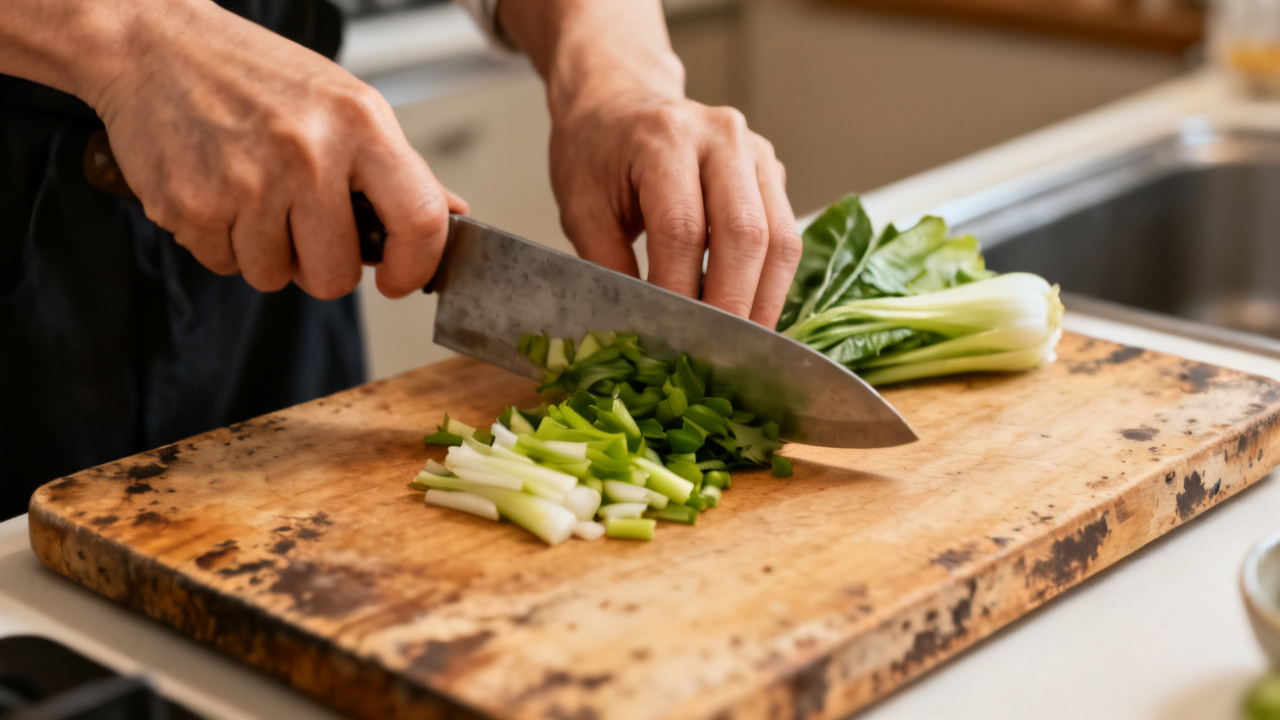
Simmer soy sauce, mirin, a little sugar, and grated ginger until slightly thick. Pan-sear salmon fillets skin-side down until crisp; flip briefly. Brush with sauce; rest. Steam broccoli or bok choy alongside.
Serve over rice with sesame seeds and sliced scallion. Extra sauce keeps one week refrigerated—warm before using.
Pat salmon dry before searing; wet skin steams instead of crisping. Leave skin down untouched three minutes first side unless house smells burn. Teriyaki glaze goes on after initial sear so sugars do not scorch in empty pan.
Skin-on salmon benefits from light score marks—three shallow cuts through skin only help fat render and reduce curling. Nonstick pan medium-high, not max; scorching miso glaze ruins batch faster than undercooking fillets.
Gyudon — beef bowl without a specialty pan
Simmer thinly sliced beef with sliced onion in a mix of dashi, soy, mirin, and sugar until liquid reduces to a glossy coating. Taste for salt. Serve over hot rice with pickled ginger on the side.
Freeze beef slices briefly to slice thin at home, or ask the counter to shave ribeye for stir-fry. Speed comes from thin cuts, not high heat alone.
Partially freeze beef ten minutes for easier slicing if counter butcher is unavailable. Against-the-grain ribbons cook in minutes and stay tender. Onion slices should match beef thickness so nothing burns while waiting.
Beef bowl sauce reduces until it coats spoon—if pool remains, simmer thirty seconds more before serving. Thin slices overlap in pan like shingles so every piece contacts heat evenly without stewing.
Miso soup that does not taste like dishwater
Heat dashi or broth gently—never boil after miso goes in. Whisk miso paste with a ladle of warm broth until smooth, then stir back into the pot. Add tofu cubes, wakame if you have it, and scallions.
Rule: add miso off the boil to keep flavor round, not bitter.
Dissolve miso in a small bowl before adding to soup—dropping paste directly clumps at bottom. White miso tastes milder for beginners; red adds depth when you want bolder bowls. Never boil miso once added.
Silken tofu cubes gently in soup; firm tofu pan-fries first if you prefer chew. Wakame rehydrates one minute—snip with scissors in bowl to avoid slippery board chase across counter.
Cabbage salad with sesame dressing
Shred cabbage fine. Whisk toasted sesame oil, rice vinegar, soy sauce, a touch of sugar, and sesame seeds. Toss just before eating so crunch stays. This side balances rich bowls and fried items.
Prep cabbage ahead; dress at dinner so leftovers stay crisp for lunch.
Toast sesame seeds dry pan thirty seconds before dressing for nuttier aroma. Cabbage stays crisp overnight undressed—pack lunch portions with dressing in a tiny jar. Shake jar at desk, toss at lunch, avoid soggy commute.
Sesame dressing separates in fridge—shake jar hard before tossing salad. Double batch dressing lives one week; cabbage buys daily but dressing work happens once.
Chicken katsu with pantry crumbs
Pound chicken breasts even, salt lightly, dredge in flour, egg, then panko. Shallow-fry in oil until golden and cooked through. Rest on a rack; slice before serving.
Mix ketchup and Worcestershire with a dash of soy for a quick tonkatsu-style sauce. Serve with shredded cabbage and rice.
Pound chicken to even thickness so panko crust browns uniformly. Rest cutlets two minutes on rack before slicing—steam inside finishes cooking without sogging crust. Cut on angle for longer strips that look generous on plates.
Panko listens for audibly quieter sizzle when chicken nearly done—that sound shift beats guessing oil temperature. Drain on rack not paper towels stacked—steam under crust softens crunch you worked for.
Weeknight bento mindset
Cook extra rice once; use it for bowls, onigiri, or fried rice later. Keep nori, furikake, and quick pickles in the fridge door. Japanese home meals reward repetition—same rice pot, different toppings.
Pack lunch by filling half a container with rice, one quarter protein, one quarter vegetable. Sauces travel in tiny jars to avoid sogginess.
Cook double rice batch Sunday; shape onigiri with salted hands while rice warm. Wrap in nori just before eating so crisp stays. Furikake in shaker turns plain rice into quick snack without new cooking.
Furikake over plain rice turns leftover lunch into something kids actually eat. Onigiri shapes easier with plastic wrap liner—peel wrap after forming triangle so hands stay less sticky.
Stock a five-bottle Japanese starter shelf
Soy sauce, mirin, rice vinegar, sesame oil, and dashi granules cover most weeknight recipes here. Add miso and panko when you cook these dishes twice. Buy small bottles first; flavor fades faster than you expect on rarely used shelves.
Start with teriyaki salmon or gyudon this week. Master one bowl before expanding to katsu or miso variations—the rhythm of rice plus glaze is the real lesson.
Keep pickled ginger in the fridge—it revives leftover bowls without new cooking.
Jot one note after cooking—what timed out, what you’d repeat—so the next round starts smarter than the last.